Frequently Asked Questions
What is water damage?
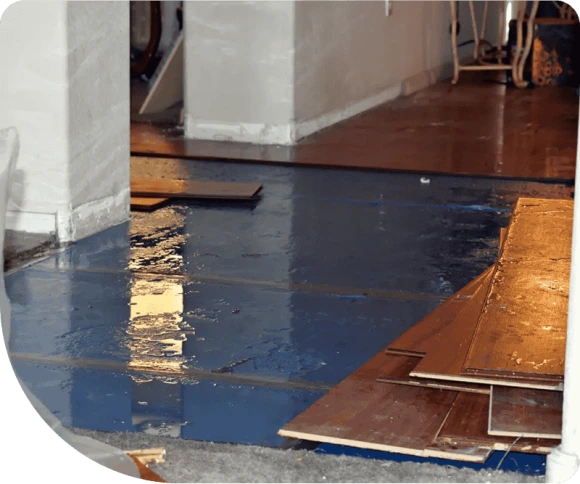
Water damage refers to the destruction or deterioration of property caused by the intrusion of water. This can result from various sources, including leaks, floods, or burst pipes, leading to potential structural damage and health hazards like mould growth.
What causes flood damage?
Flood damage is caused by excessive rainfall, burst pipes, plumbing failures, natural disasters like hurricanes, or overflowing rivers and lakes. These events lead to water accumulation, resulting in significant property damage if not addressed promptly.
Is water damage common in Sydney?
Water damage is indeed common in Sydney due to its coastal climate, heavy rainfall, and occasional flooding. Homeowners often face risks from leaks, storms, and rising groundwater, making prompt restoration services essential.
Can water damage be repaired?
Water damage can be repaired effectively. With professional restoration services, properties can be restored to their original condition, addressing issues like structural damage, mould growth, and moisture retention. Prompt action is crucial for the best results.
How to inspect water damage?
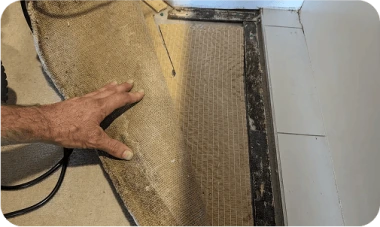
Inspecting water damage involves checking for visible signs such as stains, discoloration, or warping on walls and ceilings, and assessing areas prone to moisture, like basements and bathrooms, to identify the extent of the damage.
How to clean floodwater?
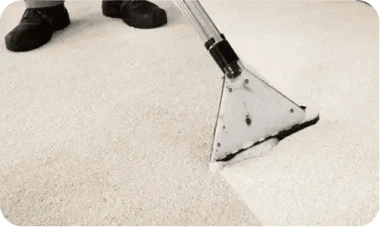
Cleaning floodwater involves quickly removing standing water using pumps or wet vacuums, followed by thorough drying and sanitizing of affected areas to prevent mould growth. It's crucial to wear protective gear and seek professional help for extensive damage.
How to restore flooded homes?
Restoring flooded homes involves several key steps: quickly remove standing water, dry out affected areas, assess and repair damage, and address any mould growth. Professional assistance is recommended for effective and safe restoration.
What is water damage restoration?
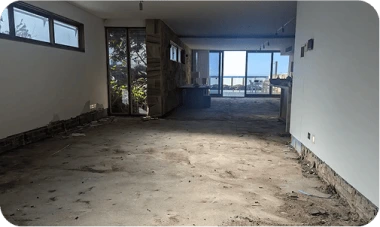
Water damage restoration is the process of repairing and restoring a property affected by water intrusion, ensuring the removal of excess moisture, prevention of mould growth, and returning the space to its original condition.
What causes Sydney floods?
The causes of Sydney floods include heavy rainfall, storm surges, and rapid runoff from urban areas. These factors can overwhelm drainage systems, leading to significant water accumulation and flooding in vulnerable regions.
What are water damage symptoms?
The symptoms of water damage include visible signs such as water stains on walls and ceilings, peeling paint, and warped flooring, as well as musty odors and increased humidity levels. These indicators often suggest the need for immediate restoration services.
What are the signs of water damage?
The signs of water damage include visible water stains, peeling paint or wallpaper, musty odors, and warped or buckled flooring. Additionally, you may notice increased humidity levels or mold growth in affected areas.
How does flood damage affect property value?
Flood damage significantly affects property value by decreasing its market appeal and increasing repair costs. Properties with a history of flooding may face lower valuations, making it essential to address damage promptly to mitigate long-term impacts.
What steps to take after water damage?
The steps to take after water damage include turning off the electricity and water supply, removing excess water, and contacting a professional restoration service like Flood Squad for immediate assistance to prevent further damage.
How to prevent mould after flooding?
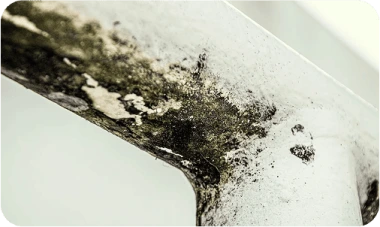
Preventing mould after flooding involves promptly drying out affected areas, using dehumidifiers, and ensuring proper ventilation. Additionally, clean and disinfect surfaces to eliminate spores, and consider using mould-resistant products for restoration.
What equipment is used for water restoration?
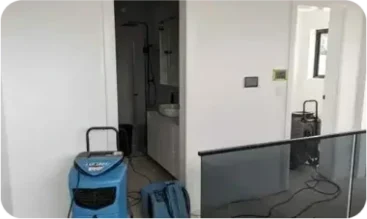
The equipment used for water restoration includes high-powered water extractors, industrial dehumidifiers, air movers, moisture meters, and specialized drying tools. These tools work together to effectively remove water and restore affected areas.
How long does flood restoration take?
The duration of flood restoration varies based on the extent of the damage, but typically, it can take anywhere from a few days to several weeks to fully restore a property to its original condition.
What are the costs of water damage repair?
The costs of water damage repair vary based on the extent of the damage, the type of services required, and the size of the affected area. For an accurate estimate, it’s best to schedule a free assessment with Flood Squad.
How to identify hidden water damage?
Identifying hidden water damage involves looking for signs such as water stains on walls or ceilings, warped flooring, and musty odors. Additionally, check for mold growth and increased humidity levels, which can indicate underlying moisture issues.
What is the process of flood restoration?
The process of flood restoration involves several key steps: assessing the damage, removing excess water, drying and dehumidifying the affected areas, cleaning and sanitizing surfaces, and finally, repairing and restoring the property to its original condition.
How to choose a restoration service?
Choosing a restoration service involves evaluating their experience, response time, certifications, and customer reviews. Ensure they offer comprehensive services and are available 24/7 to handle emergencies effectively.
What insurance covers water damage repairs?
Insurance that typically covers water damage repairs includes homeowners insurance, renters insurance, and certain types of flood insurance. However, coverage may vary based on the policy, so it's essential to review your specific terms.
How to handle emergency water damage?
Handling emergency water damage involves acting quickly to minimize further damage. First, turn off the water source and electricity if safe to do so, then contact a professional water damage restoration service like Flood Squad for immediate assistance and expert recovery.
What are the health risks of water damage?
The health risks of water damage include mold growth, which can lead to respiratory issues, allergic reactions, and other serious health problems. Additionally, contaminated water can introduce harmful bacteria and viruses, posing further health threats to occupants.
How to dry out a flooded basement?
To dry out a flooded basement, begin by removing any standing water using a pump or wet vacuum. Then, ensure proper ventilation by opening windows and using fans or dehumidifiers to eliminate moisture and prevent mould growth.
What materials are affected by flood damage?
Flood damage affects various materials, including wood, drywall, insulation, carpets, and furniture. These materials can absorb water, leading to structural damage, mould growth, and loss of integrity if not promptly addressed.
How to assess flood damage severity?
Assessing flood damage severity involves checking the extent of water intrusion, identifying affected areas, and evaluating structural integrity. Look for signs of mould, warping, or electrical hazards to determine the necessary restoration actions.
What is the role of a restoration technician?
The role of a restoration technician involves assessing water damage, implementing effective restoration techniques, and ensuring properties are safely restored to their original condition. They are essential in managing emergencies and preventing further damage.
How to document water damage for insurance?
Documenting water damage for insurance involves taking clear photos of the affected areas, recording the date and time of the incident, and keeping receipts for any repairs or temporary measures taken. Additionally, make detailed notes of the damage and contact your insurance provider promptly.
What are common causes of water leaks?
Common causes of water leaks include damaged pipes, faulty appliances, roof leaks, and poor drainage systems. These issues can lead to significant water damage if not addressed promptly, making it essential to identify and repair them quickly.
How to maintain a flood-prone property?
Maintaining a flood-prone property involves regular inspections, ensuring proper drainage, sealing cracks, and elevating utilities. Additionally, consider landscaping adjustments and installing flood barriers to minimize water damage risks during heavy rains.