Flooding can undermine your home’s integrity and endanger occupants within minutes after water recedes. Implementing home safety measures after flooding provides a structured approach to protect health, secure property, and streamline recovery. This guide draws on recent Australian flood risk data, SafeWork NSW advice, and general insurance guidelines to deliver actionable steps on immediate safety, utility checks, water removal, mould prevention, structural repair, insurance navigation, and wellbeing support. As specialists in flood damage restoration, Flood Squad supplements these recommendations with emergency response, water extraction, drying, and mould remediation expertise. You will learn how to re-enter safely, manage hazards, restore your home, and safeguard your family with practical checklists and equipment comparisons.
What Are the Immediate Safety Steps After a Flood?
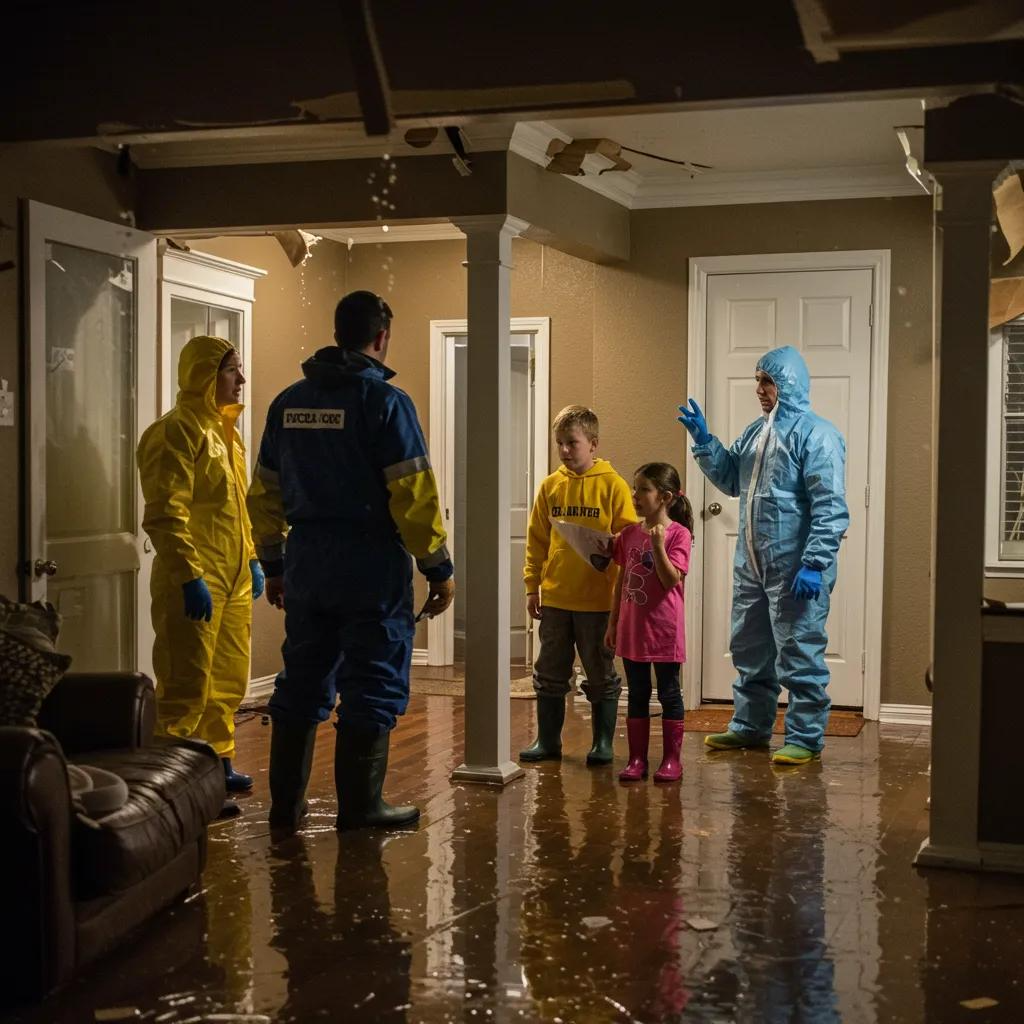
Immediate safety steps after a flood involve assessing hazards, securing utilities, and avoiding contaminated water to minimise the risk of injury or illness. First, conduct an external survey of the property for structural instability before approaching doors or walls. Next, confirm that electricity and gas supplies are switched off at the mains to eliminate electrocution and gas-leak dangers. Then, don full protective clothing and avoid standing water that may harbour sewage or sharp debris. Finally, contact emergency services to declare the scene safe before re-entry. This initial assessment sets the stage for safe re-entry protocols we explore next.
How Do You Safely Re-Enter Your Flooded Home?
Safe re-entry to a flooded property requires structural verification, utility isolation, and protective gear to prevent accidents and exposure. Begin by inspecting floor joists, door frames, and foundation from outside for signs of buckling or subsidence. Ensure electricity and gas remain off, then enter using a torch rather than mobile devices to avoid sparks near damp wiring. Wear waterproof boots, nitrile gloves, and a respirator to guard against contaminants. Proceed slowly, keeping clear of sagging ceilings or unstable staircases. Once inside, maintain a clear exit path and check each room before moving on. These measures secure personal safety and lead naturally into selecting the right protective equipment for cleanup.
Which Protective Equipment Should You Use During Cleanup?
Protective equipment for flood cleanup combines barrier apparel, respiratory protection, and durable tools to reduce exposure to biological and chemical hazards. Essential items include waterproof boots rated for oil and chemical resistance, heavy-duty nitrile gloves, a P3 respirator or FFP3 mask, eye protection, and protective overalls. Additionally, use knee pads when scrubbing lower wall sections and elbow-length gloves for handling contaminated materials. High-visibility garments improve recognition among team members during debris removal. Proper decontamination of gear after each use prevents cross-contamination. Having this kit ready builds readiness and leads into compiling essential emergency contacts.
What Emergency Contacts Should Homeowners Have Ready?
Every homeowner must maintain an up-to-date list of emergency contacts to expedite help when flooding strikes. Include local authority emergency flood lines, your home insurer’s claims department, qualified electricians, licensed gas fitters, and a reputable restoration specialist such as Flood Squad. Also, list water removal equipment hire companies and nearby temporary accommodation providers covered by your policy. Keep contact details on printed cards and stored on a charged mobile device for redundancy. Having these numbers immediately accessible reduces downtime and connects you to professional support before addressing electrical and gas safety checks.
How Can You Ensure Electrical and Gas Safety After House Flooding?
Ensuring electrical and gas safety after flooding means eliminating electrocution and leak hazards to protect occupants and property. Water exposure can corrode conductors, trigger short circuits, and compromise pipe seals, increasing the risk of shock or asphyxiation. A qualified electrician should inspect all circuits as soon as water subsides, while a licensed gas fitter assesses meter integrity and pipework. Confirm that emergency lighting and carbon monoxide monitors function correctly before restoring utilities. These precautions prevent hidden dangers and pave the way for effective water cleanup and drying strategies.
| Hazard Type | Detection Method | Safety Action |
| Electrocution risk | Wet outlets, tripping breakers, or sparks | Switch off mains, avoid contact, and call a qualified electrician |
| Gas leak | Rotten egg odour or audible hissing | Evacuate property, ventilate, and notify a licensed gas fitter |
| Carbon monoxide exposure | Unexplained headaches, dizziness, detector alarm | Ensure ventilation, test, and install new detectors |
When Should You Call a Qualified Electrician After Flood Damage?
You should call a qualified electrician once external hazards are cleared and before any attempt to restore power is made. Ideally, contact an electrician within 24 hours of floodwaters receding if mains boards or wiring were submerged. Document waterline marks and note tripped circuits as evidence for thorough inspection. The professional will test insulation resistance, replace damaged fuse boards, and certify circuits safe for reuse. Waiting beyond this window increases the risk of corrosion-related faults. Timely engagement ensures electrics are safe prior to checking for gas leaks.
What Are the Signs of Gas Leaks After Flooding?
Gas leaks after flooding manifest through sensory cues, appliance malfunctions, and instrument alerts that warn of dangerous buildups. Homeowners should watch for a distinctive “rotten egg” smell, hear a persistent hissing near pipes, or notice a sharp pressure drop in gas appliances. Discolouration or debris around meter seals may also signal compromised pipework. Carbon monoxide detectors alarming without an obvious source warrants immediate evacuation. Recognising these signs early prevents fire, explosion, or poisoning and informs safe generator use policies.
Is It Safe to Use Generators Indoors After a Flood?
No, it is unsafe to use generators indoors after a flood because they emit carbon monoxide fumes that can accumulate rapidly and prove fatal. Generators must be positioned outdoors at least six metres from windows and doors with exhaust pointed away from the house. Install a battery-powered carbon monoxide monitor inside, keep fuel containers external, and never refuel a hot generator. Use heavy-duty extension cables suited to the load and test function before bringing essential circuits online. Observing these guidelines protects against invisible gas hazards and readies your home for water extraction and drying.
What Are the Best Practices for Effective Flood Water Cleanup and Drying?
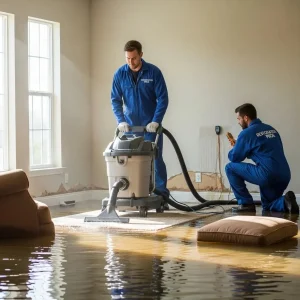
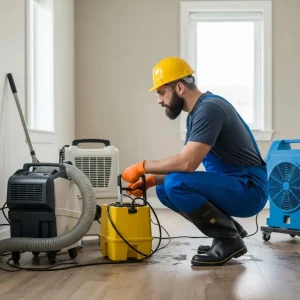
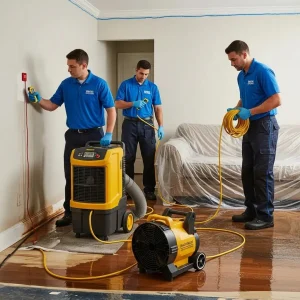
Effective flood water cleanup and drying combines rapid removal, thorough disinfection, and controlled moisture extraction to prevent secondary damage. Begin with high-capacity water pumps or wet-vacuum systems to clear standing water, then scrub surfaces with a biocide solution. Open windows and position axial fans for cross-ventilation, while industrial dehumidifiers extract residual moisture from walls and contents. Monitor humidity and temperature with digital gauges to ensure levels drop below 50 percent. This multi-step process inhibits mould growth and prepares materials for repair or disposal, starting with water extraction techniques outlined below.
Which Water Extraction Techniques Are Most Effective?
Water extraction is most effective when combining high-volume pumps, submersible vacuums, and suction mats tailored to surface types. Deploy centrifugal or trash pumps to evacuate deep pools rapidly, then use a wet-dry vacuum for residual moisture on floors. Suction mats applied to carpets and underlay draw trapped water from sub-floor cavities. Employ negative-pressure systems on hardwood flooring to lift moisture from timber panels. Integrating multiple methods accelerates drying and prevents structural warping. Proper extraction techniques set the stage for selecting the optimal dehumidifier.
How Do You Choose the Right Dehumidifier for Flood Recovery?
Selecting the right dehumidifier involves matching extraction capacity to room size, ambient temperature, and moisture species. Refrigerant dehumidifiers excel in warm, humid conditions by condensing water on cooled coils, while desiccant units perform better at lower temperatures. Aim for a machine capable of removing at least 30 litres per day in medium-sized rooms; commercial recovery may require 60 litres or more. Look for integrated hygrostats, automatic defrost cycles, and drain-pump attachments to maintain continuous operation. Choosing equipment with these features optimises drying speed and energy efficiency, clarifying disposal decisions for contaminated items.
How Should You Dispose of Contaminated Items Safely?
Safely disposing of contaminated flood-soaked items requires segregation of non-porous and porous materials followed by targeted removal protocols. First, bag porous items such as carpets, upholstery, and wall linings in heavy-duty waste sacks. Rinse and disinfect non-porous furnishings, metal tools, and plastic bins before returning them indoors. Label waste containers and arrange collection through licensed waste carriers to comply with environmental regulations. Document disposal actions with photographs for insurance purposes. Proper disposal prevents toxin recycling and transitions the project into mould prevention strategies.
How Can You Prevent and Remediate Mould Growth Post Flood Sydney?
Preventing and remediating mould growth after flooding combines immediate moisture control, surface treatment, and ongoing monitoring to protect health and property. Mould spores germinate in damp conditions within 24–48 hours, releasing allergens and structural enzymes. Rapid drying below 50 percent relative humidity, application of antifungal treatments, and removal of irreparable materials interrupt the growth cycle. Regular inspections of hidden cavities and prompt remediation of any colonisation preserve indoor air quality. These actions reduce health risks and prepare you to recognise mould development timelines.
How Quickly Does Mould Develop After Flooding?
Mould can begin to develop within 24–48 hours of water exposure when surfaces remain damp above 60 percent relative humidity. Cellulose-rich materials such as drywall, wood framing, and fabric provide ideal nutrient sources for spore germination. Warm temperatures accelerate the process, making prompt water removal and dehumidification critical. Once established, colonies spread across porous substrates and release mycotoxins that pose respiratory hazards. Understanding this growth timeline underscores the importance of early detection techniques covered next.
What Are the Signs of Hidden Mould in Your Home?
Hidden mould often reveals itself through subtle indicators such as persistent musty odours, discoloured grout lines, and peeling paint in concealed areas. Watch for condensation trails on interior walls, swelling around window sills, and dark patches beneath sinks or floorboards. Allergic reactions like sneezing or headaches in specific rooms may signal spore presence. Use a moisture meter to pinpoint damp hotspots and infrared cameras to detect temperature anomalies associated with colonised cavities. Recognising these signs guides informed decisions on when professional remediation becomes necessary.
When Should You Hire Professionals for Mould Removal vs. DIY?
Hire professional mould removal services when contamination exceeds one square metre, involves HVAC systems, or affects occupants with respiratory vulnerabilities. Large-scale mould colonisation often requires controlled remediation with containment barriers, HEPA-filtered vacuums, and specialised biocidal applications. DIY approaches suit minor surface growth on non-structural materials using EPA-approved cleaners and protective equipment. Large infestations pose cross-contamination risks and may conceal deeper structural damage. Ensuring a comprehensive evaluation by experts transitions focus to long-term structural safety checks.
How Do You Assess and Repair Structural Flood Damage?
Assessing and repairing structural flood damage entails identifying compromised elements, stabilising the building envelope, and restoring load-bearing components to ensure safety. Floodwater can erode foundation footings, swell timber framing, and delaminate plasterboard. Conduct a thorough inspection for foundation cracks, warped joists, and cracked render before scheduling repairs. Employ techniques such as concrete underpinning, sub-floor drainage installation, and surface re-plastering to reinforce structural integrity. Engaging qualified contractors for major works prevents future subsidence and leads to criteria for engineer consultation.
What Are the Common Signs of Foundation Damage After Flooding?
Foundation damage after flooding typically presents as diagonal cracks in brickwork, uneven floors, and gaps between skirting boards and walls. You may observe mortar joint erosion or displaced stones around the base of external walls. Doors and windows that no longer latch correctly indicate shifts in alignment caused by settling. Persistent damp patches along internal skirting suggest moisture ingress through undermined footings. Early recognition of these signs prompts timely underpinning or drainage measures before wall and ceiling repairs.
How Should Walls and Ceilings Be Repaired Post Flood?
Wall and ceiling repair post-flood combines removal of saturated materials, controlled drying, and reinstatement with moisture-resistant products. Begin by stripping out damaged plasterboard at least 300 mm above the flood line and disposing of it safely. Allow timber studs and joists to dry below 15 percent moisture content using service-grade dehumidifiers. Replace with moisture-resistant plasterboard, apply antifungal primer, and finish with flexible joint compounds. Repaint with breathable masonry paints to allow residual moisture to escape. These methods restore aesthetics and functionality while respecting criteria for engineer involvement.
When Is a Structural Engineer Needed for Flood Damage Assessment?
A structural engineer is needed when flood damage causes visible settlement, extensive cracking, or suspected compromise of load-bearing elements. If foundation movement exceeds 5 mm of displacement or walls tilt beyond 2 degrees, professional evaluation is essential. Engineers perform ground investigations, structural calculations, and propose underpinning or reinforcement schemes. Their certification is often required by insurers before approving major repair work. Consulting an engineer at this stage ensures repair durability and transitions seamlessly into the insurance claims process.
What Is the Process for Navigating Flood Insurance Claims in Sydney?
Navigating flood insurance claims in Sydney requires meticulous documentation, adherence to policy terms, and clear communication with loss adjusters to maximise recovery. The process begins by notifying your insurer immediately, recording dates and times of contact. Compile photographic evidence, video walkthroughs, and an itemised inventory of damaged goods. Submit the claim form within policy deadlines and maintain copies of all correspondence. Understanding your policy’s eligibility and insurer obligations streamlines settlement discussions before collating documentation requirements.
How Do You Document Flood Damage for Insurance Claims?
Document flood damage by capturing high-resolution photographs of each affected area, noting water height markers and covering all room angles. Record a detailed inventory listing make, model, and approximate value of damaged possessions. Supplement visual records with dated video walkthroughs and written notes on structural defects. Retain receipts for any emergency repairs, accommodation, or equipment hire. Organise this evidence in chronological order to support your claim and inform your understanding of your insurance policy.
How Can You Work Effectively with Loss Adjusters?
Working effectively with loss adjusters involves clear preparation, cooperative site visits, and transparent evidence presentation to expedite settlement. Provide adjusters with your organised documentation, including photographs, inventory lists, and contractor estimates. Accompany them during inspections to highlight concealed damage and explain remedial work completed by professionals. Ask about interim payments to fund urgent repairs and clarify policy exclusions in writing. This collaborative approach builds trust and transitions the process toward health and wellbeing considerations.
How Can You Protect Your Health and Wellbeing After a Flood?
Protecting health and wellbeing after a flood combines preventative hygiene, mental health support, and safe work practices to minimise illness and stress. Contaminated water introduces pathogens such as leptospira and E. coli, while physical exhaustion and disruption can trigger anxiety. Incorporate regular handwashing, appropriate personal protective equipment, and rest breaks into your cleanup routine. Access professional counselling or community support services to address emotional strain. These measures fortify resilience against waterborne disease and psychological impact before reviewing specific illness risks.
What Are the Common Waterborne Illnesses After Flooding?
Common waterborne illnesses after flooding include leptospirosis, gastroenteritis, and hepatitis A, transmitted through contact with contaminated water or surfaces. Symptoms range from flu-like fever and muscle aches to severe diarrhoea and jaundice in more serious cases. At-risk individuals include those with open wounds, immunosuppression, and children playing in floodwaters. Immediate medical attention for persistent symptoms coupled with water testing identifies contamination sources. Recognising these health threats highlights the need for stress-coping strategies.
How Can You Cope with Post-Flood Stress and Anxiety?
Coping with post-flood stress and anxiety involves structured routines, peer support, and professional counselling to manage emotional overload. Establish daily goals for cleanup tasks interspersed with relaxation breaks, such as short walks or mindfulness exercises. Connect with friends, family, or local support groups for shared experiences and practical advice. Seek assistance from accredited mental health practitioners when feelings of helplessness persist. These coping techniques complement protective measures during cleanup to maintain overall wellbeing.
What Protective Measures Reduce Health Risks During Cleanup?
Protective measures during cleanup combine barrier protection, hygiene protocols, and ergonomic practices to reduce exposure and fatigue. Always wear waterproof gloves, boots, respirators, and eye protection when handling floodwater-soaked materials. Wash hands thoroughly with soap and warm water before eating or drinking. Rotate tasks to avoid repetitive strain injuries and schedule regular rest periods to prevent exhaustion. Keep first-aid supplies on hand for minor injuries and cleanse equipment after use. These safeguards close the loop on comprehensive home safety measures after flooding.
Flood recovery demands a coordinated approach that blends immediate hazard control, professional expertise, and methodical restoration workflows. Adhering to structured checklists, from safe re-entry to final wellbeing practices, ensures every risk is addressed and every asset protected. For tailored assistance with water extraction, drying, mould remediation, or structural repairs, contact Flood Squad, where rapid emergency response and specialist guidance bring your home back to safety.