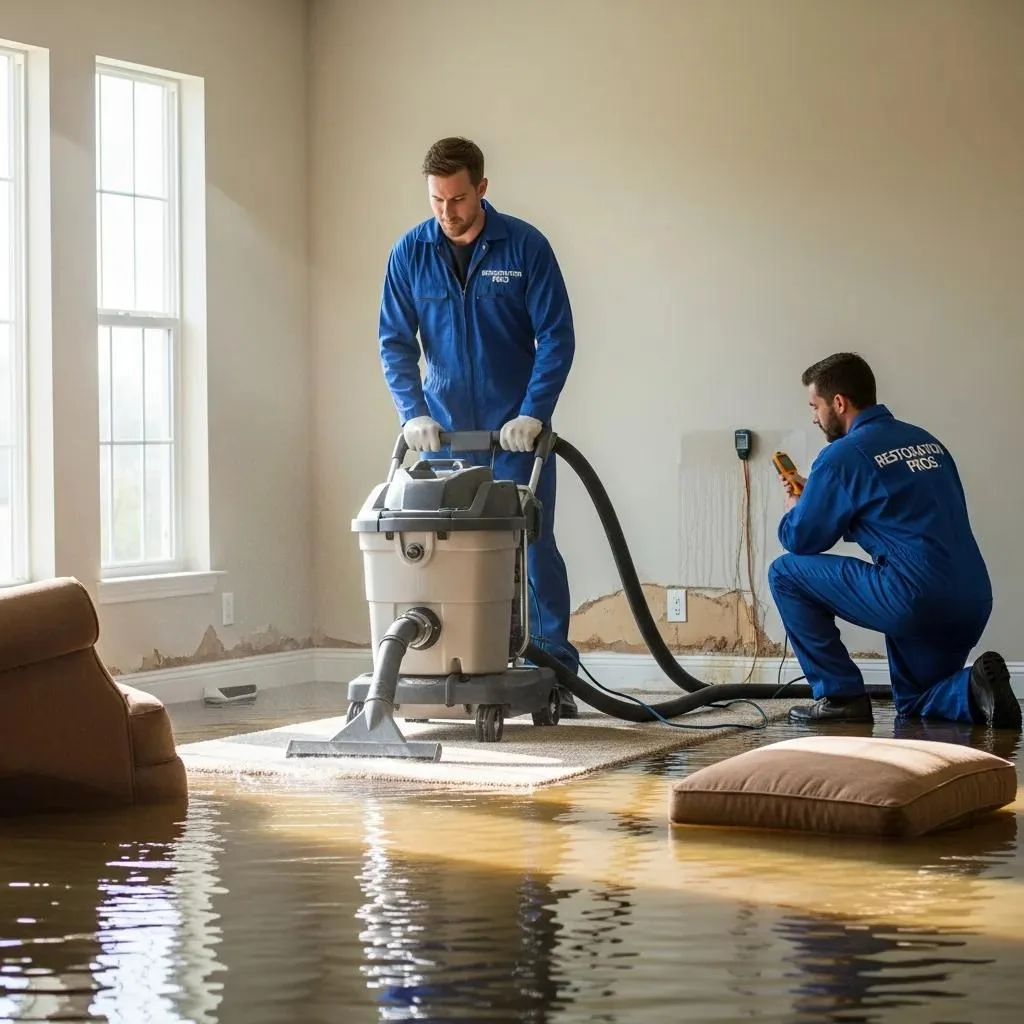
Water damage can be a devastating experience for property owners, leading to significant structural issues and health risks if not addressed promptly. This comprehensive guide will explore what to expect from water damage restoration services, including the processes involved, the importance of professional intervention, and how to navigate the aftermath effectively. Understanding these services is crucial for anyone facing water damage, as timely and efficient restoration can prevent further complications such as mould growth and structural deterioration. In this article, we will cover the initial steps in the restoration process, the methods used for water extraction, structural drying, mould remediation, and how to manage insurance claims related to water damage.
What Are the Initial Steps in the Water Damage Restoration Process?
The initial steps in the water damage restoration process are critical for minimising damage and ensuring effective recovery.
- Assessment and Inspection: Conducting a thorough inspection of the affected area to identify the extent of the water damage and determine the most effective drying strategy.
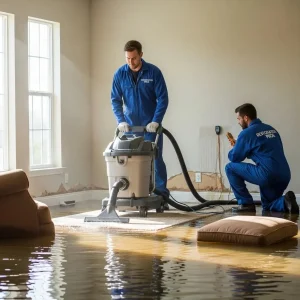
- Water Extraction: Removing any standing water using powerful extraction equipment to speed up the drying process and prevent further damage.
How Is Water Damage Assessed and Categorised?
Water damage is assessed through a thorough inspection using moisture meters and thermal imaging technology to identify the extent of the damage. It is categorised based on the source and contamination level of the water intrusion, which can include factors like the potential for mould growth, structural integrity, and the need for restoration services. Proper assessment is crucial for determining the most effective drying strategy and preventing long-term issues.
What Immediate Actions Should Property Owners Take After Water Damage?
After water damage, property owners should take the following immediate actions:
- Contact a Professional: Reach out to a water damage restoration service for assistance.
- Water Extraction: Ensure that any standing water is removed using powerful extraction equipment.
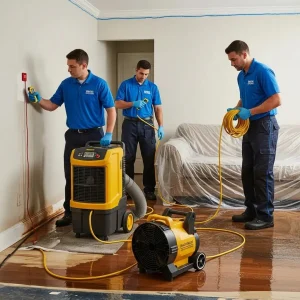
- Moisture Mapping: Create a detailed moisture map of the property to identify areas needing focused drying efforts.
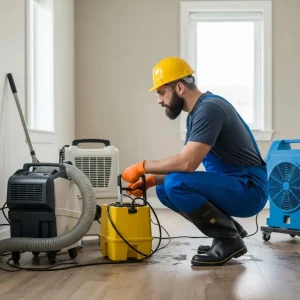
- Deploy Drying Equipment: Use air movers, dehumidifiers, and specialised heaters to dry out the structure.
- Monitor and Adjust: Regularly check moisture levels and adjust equipment as needed during the drying process.
- Final Inspection: Conduct a final inspection to confirm that all moisture has been eliminated.
Acting swiftly is crucial to minimise damage and prevent issues like mould growth.
How Does Professional Water Extraction and Emergency Removal Work?
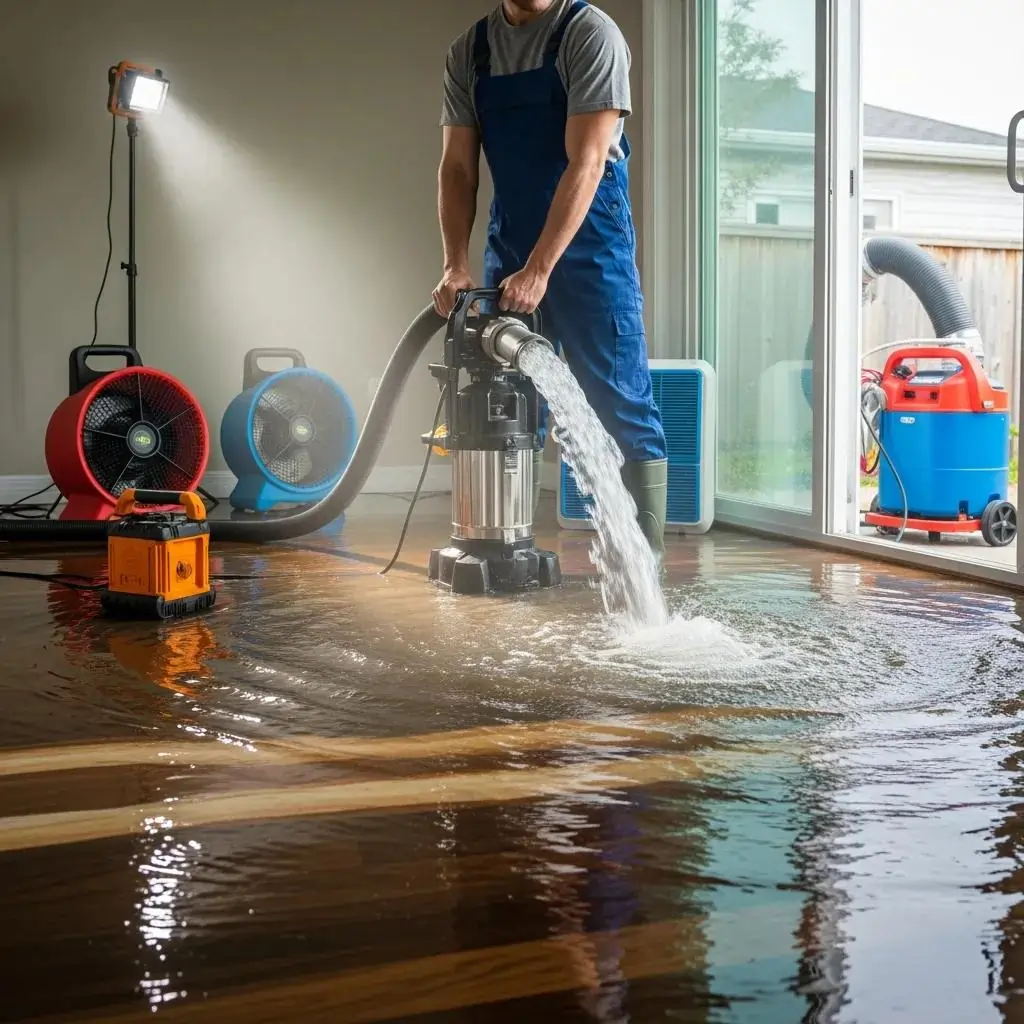
Professional water extraction and emergency removal work involves several key steps:
- Water Extraction: Standing water is removed using powerful extraction equipment to speed up the drying process and prevent further damage.
- Moisture Mapping: A detailed moisture map of the property is created to identify specific areas that need focused drying efforts.
- Drying Equipment Deployment: Industry-leading drying equipment, such as air movers, dehumidifiers, and specialised heaters, is used to dry out the structure effectively.
- Monitoring and Adjustment: The drying process is monitored regularly, with adjustments made to the equipment as needed to ensure optimal results.
- Final Inspection: A final inspection is conducted to confirm that all moisture has been eliminated, using advanced tools to verify that the property is completely dry and safe from future water-related issues.
What Equipment Is Used for Rapid Water Extraction?
- Submersible Pumps: Used for deep water extraction.
- Truck-mounted Extractors: Provide powerful suction for large areas.
- Portable Extractors: Ideal for smaller spaces and tight areas.
How Does Emergency Water Extraction Minimise Further Damage?
Emergency water extraction minimises further damage by removing standing water using powerful extraction equipment. This crucial step speeds up the drying process and prevents issues such as mould growth, wood rot, and structural weakening, which can occur if moisture is not addressed promptly.
What Is Involved in Structural Drying and Dehumidification?
Structural drying involves a specialised process designed to remove moisture from a building’s structure, including walls, floors, and ceilings. The process includes several key steps:
- Assessment and Inspection: Conducting a thorough inspection to identify the extent of water damage.
- Water Extraction: Removing any standing water using powerful extraction equipment.
- Moisture Mapping: Creating a detailed moisture map to target specific areas needing focused drying.
- Drying Equipment Deployment: Using air movers, dehumidifiers, and specialised heaters to dry out the structure.
- Monitoring and Adjustment: Regularly checking moisture levels and adjusting equipment as needed.
- Final Inspection: Performing a final check to ensure all moisture has been eliminated.
This process is crucial to prevent mould growth, preserve structural integrity, and reduce repair costs.
How Are Properties Thoroughly Dried to Prevent Secondary Damage?
Properties are thoroughly dried to prevent secondary damage through a comprehensive structural drying process that includes several key steps:
- Assessment and Inspection: A thorough inspection is conducted to identify the extent of water damage using moisture meters and thermal imaging.
- Water Extraction: Standing water is removed using powerful extraction equipment to speed up the drying process.
- Moisture Mapping: A detailed moisture map is created to target specific areas that require focused drying efforts.
- Drying Equipment Deployment: Industry-leading drying equipment, such as air movers, dehumidifiers, and specialised heaters, is used to dry out the structure effectively.
- Monitoring and Adjustment: Ongoing monitoring of moisture levels is performed, with adjustments made to the equipment as needed to ensure optimal drying results.
- Final Inspection: A final inspection is conducted to confirm that all moisture has been eliminated, ensuring the property is safe from future water-related issues.
This thorough approach helps prevent mould growth, preserves structural integrity, and reduces repair costs.
What Equipment Controls Humidity During Restoration?
Controlling humidity is essential during the restoration process to prevent mould growth and structural damage. Key equipment includes:
- Dehumidifiers: Remove excess moisture from the air.
- Air Movers: Increase airflow to speed up evaporation.
- Thermal Imaging Cameras: Identify hidden moisture pockets.
How Is Mould Remediation and Sanitisation Conducted After Water Damage?
Mould remediation and sanitisation after water damage is conducted through a comprehensive process that includes the following steps:
- Mould Inspection: A thorough examination of affected areas to identify the extent of mould growth.
- Containment: Sealing off areas to prevent the spread of mould spores during the removal process.
- Mould Removal: Safe and effective removal of all mould using professional equipment.
- Structural Drying: Ensuring all affected areas are properly dried to prevent future mould growth.
- Mould Prevention: Applying treatment to prevent reoccurrence and ensure long-term safety.
This process aims to restore healthy living and working environments by eliminating mould at the source.
What Are the Professional Steps for Effective Mould Removal?
- Mould Inspection: A thorough examination of affected areas to identify the extent of mould growth.
- Containment: Sealing off areas to prevent the spread of mould spores during the removal process.
- Mould Removal: Safe and effective removal of all mould using professional equipment.
- Structural Drying: Ensuring all affected areas are properly dried to prevent future mould growth.
- Mould Prevention: Applying treatment to prevent reoccurrence and ensure long-term safety.
How Does Sanitisation Prevent Health Risks Post-Restoration?
Sanitisation prevents health risks post-restoration by ensuring that mould is completely removed and does not return. This is achieved through a thorough remediation process that includes the use of advanced equipment like HEPA vacuums and air filtration devices. Additionally, applying anti-microbial agents after drying helps prevent mould growth, ensuring that the environment remains safe for use. This approach addresses the health risks associated with mould, such as respiratory issues and allergic reactions, particularly for vulnerable populations.
What Repairs and Restoration Steps Restore Your Property to Pre-Damage Condition?
The repairs and restoration steps to restore your property to pre-damage condition include:
- Assessment and Inspection: Conducting a thorough inspection to identify the extent of water damage.
- Water Extraction: Removing any standing water using powerful extraction equipment.
- Moisture Mapping: Creating a detailed moisture map to target specific areas for drying.
- Drying Equipment Deployment: Using air movers, dehumidifiers, and specialised heaters to dry out the structure.
- Monitoring and Adjustment: Regularly checking moisture levels and adjusting equipment as needed.
- Final Inspection: Performing a final inspection to ensure all moisture has been eliminated and the property is safe from future issues.
Which Common Repairs Are Needed After Water Damage?
- Wet Carpet Restoration: Essential to prevent mould growth and structural damage.
- Repairing or Replacing Damaged Floorboards: Addressing issues like rotting, crumbling, and warping of materials.
- Applying Anti-Microbial Agents: To prevent future mould growth.
- Structural Drying: To preserve the integrity of the building and prevent further damage.
If the damage is severe or if mould is present, replacement of carpets or other materials may be necessary.
How Is the Restoration Process Managed for Residential and Commercial Properties?
The restoration process for residential and commercial properties is managed through a comprehensive structural drying approach that includes the following steps:
- Assessment and Inspection: A thorough inspection is conducted using moisture meters and thermal imaging to determine the extent of water damage and the most effective drying strategy.
- Water Extraction: Standing water is removed using powerful extraction equipment to prevent further damage and speed up the drying process.
- Moisture Mapping: A detailed moisture map is created to identify specific areas that require focused drying efforts.
- Drying Equipment Deployment: Industry-leading drying equipment, such as air movers, dehumidifiers, and specialised heaters, is strategically placed to maximise airflow and dehumidification.
- Monitoring and Adjustment: The drying process is monitored regularly, with adjustments made to the equipment as needed to ensure optimal results.
- Final Inspection: A final inspection is performed to confirm that all moisture has been eliminated, using advanced tools to verify that the property is completely dry and safe from future water-related issues.
This process is crucial to prevent mould growth, preserve structural integrity, and reduce repair costs. Many professional restoration companies offer 24-hour emergency callout services to initiate this process promptly after water damage occurs.
How Can Property Owners Navigate Water Damage Insurance Claims in Sydney, Australia?
Navigating water damage insurance claims can be complex, but understanding the process can help property owners secure the necessary funds for repairs.
What Documentation Is Required for Water Damage Insurance Claims?
When filing a water damage insurance claim, property owners typically need to provide:
- Detailed Reports: From restoration professionals outlining the extent of the damage.
- Photographs: Documenting the damage before and after restoration.
- Estimates for Repairs: From licensed contractors to support the claim.
How Do Restoration Services Support Insurance Claim Processes?
Restoration services from Flood Squad support insurance claim processes by providing essential documentation and clear evidence of the damage, including detailed reports, photographs, and thorough assessments of affected areas. Flood Squad ensures that all restoration work is carried out to industry standards, helping validate your insurance claim with accurate and professional records. By responding quickly to mitigate further damage, Flood Squad also helps reduce the overall cost of repairs, making the claims process smoother and more efficient for both the property owner and the insurance company.