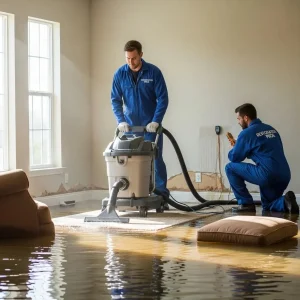
Flood damage can be a devastating experience for homeowners, leading to significant property loss and health risks. Understanding the types of water damage and the importance of timely repair can help mitigate these issues. This article explores affordable flood repair services, focusing on the various types of water damage, their impacts, and the costs associated with restoration. We will also discuss the emergency services available, the process of mould removal, and the significance of structural drying. By the end, you will have a comprehensive understanding of how to address flood damage effectively and affordably.
What Are the Common Types of Water Damage and Their Impact on Properties?
Common types of water damage include flooding, leaks, mould growth, wood rot, and structural weakening. Each type poses unique challenges and can lead to severe consequences if not addressed promptly.
- Flooding: This can saturate building materials and lead to severe structural damage if not addressed promptly.
- Leaks: Minor leaks can accumulate over time, causing hidden damage to carpets, floorboards, and walls.
- Mould Growth: Moisture creates an ideal environment for mould, which can damage property and pose health risks.
- Wood Rot: Prolonged exposure to moisture can weaken wooden structures, leading to costly repairs.
- Structural Weakening: Water can compromise the integrity of a building, necessitating extensive restoration work.
The impact of these types of water damage includes costly repairs, health risks from mould, and potential loss of property value. Prompt action is crucial to minimise these effects.
How Do Clean, Grey, and Black Water Differ in Flood Damage Restoration?
In flood damage restoration, understanding the differences between clean, grey, and black water is essential.
- Clean Water: This is water from a clean source, such as a broken pipe or rainwater. It poses minimal health risks and is the easiest to remediate.
- Grey Water: This water contains some contaminants, such as from sinks, washing machines, or dishwashers. It requires more careful handling to prevent health risks.
- Black Water: This is highly contaminated water, often from sewage, flooding, or toilet backflow. It poses significant health risks and requires professional remediation.
What Are the Risks of Delayed Flood Damage Repair?
The risks of delayed flood damage repair include:
- Mould Growth: Delaying treatment can lead to the development of mould, which poses health risks and damages property.
- Unpleasant Odours: Water-damaged areas can develop bad smells if not addressed promptly.
- Structural Damage: Water can weaken structural elements, leading to costly repairs if not dried thoroughly and quickly.
- Deterioration of Carpet: Wet carpet glue can break down, causing the backing to separate and leading to the need for costly replacements.
- Long-term Damage: Water can infiltrate deeper into materials, causing issues like rotting, crumbling, and warping over time.
Overall, timely action is crucial to minimise these risks and prevent larger, more expensive issues.
How Much Does Affordable Flood Damage Restoration Cost in Sydney Australia?
Understanding the costs associated with flood damage restoration is vital for homeowners. The overall cost can vary significantly based on several factors.
What Factors Influence Flood Repair Pricing and Cost Estimates?
The factors that influence flood repair pricing and cost estimates include:
- Timeliness of Response: The quicker the response to water damage, the less extensive the repairs needed, which can reduce costs.
- Extent of Damage: The severity and area affected by the water damage will impact the overall cost.
- Type of Restoration Required: Different techniques and services, such as water extraction, structural drying, and mould remediation, have varying costs.
- Equipment Used: The use of advanced equipment and techniques can affect pricing.
- Preventive Measures: Addressing minor leaks and issues promptly can prevent larger, more expensive repairs later on.
How Can You Get Transparent and Affordable Flood Repair Quotes?
To get transparent and affordable flood repair quotes, you can call Flood Squad at 04818 FLOOD for emergency water damage restoration or book a free assessment online. This ensures you receive a clear understanding of the costs involved and the services provided.
What Emergency Water Damage Repair Services Are Available in Sydney Australia?
The emergency water damage repair services available in Sydney Australia include:
- Water Extraction Services: Rapid removal of standing water to prevent further damage.
- Expert Structural Drying Services: Ensuring all affected areas are dried thoroughly to prevent mould growth.
- Flood Damage Restoration: Comprehensive restoration of damaged areas to their pre-loss condition.
- Mould Remediation: Safe removal of mould and prevention of future growth.
- Sterilisation: Treatment of affected areas to eliminate harmful bacteria and pathogens.
- Carpet Cleaning: Professional cleaning and restoration of carpets affected by water damage.
For immediate assistance, you can call Flood Squad at 04818 FLOOD or book a free assessment online.
How Does Rapid Water Extraction Minimise Flood Damage?
Rapid water extraction minimises flood damage by quickly removing standing water, which speeds up the drying process and prevents further damage. This immediate action helps to reduce the risk of mould growth, preserves the structural integrity of the building, and ultimately lowers repair costs by minimising the need for extensive restoration work.
What Are the Benefits of 24/7 Emergency Flood Restoration Services?
- Timely Response: Quick action is crucial to minimise water damage and prevent deterioration of materials, such as wet carpets.
- Preventing Escalating Damage: Addressing water issues promptly can prevent more severe and costly repairs in the future.
- Expertise in Water Damage Repair: Professionals can effectively salvage belongings and ensure thorough restoration.
- Comprehensive Services: These services often include water extraction, structural drying, and mould prevention, providing a complete solution.
- Protection Against Mould Growth: Swift drying reduces the risk of mould, which can pose health risks and damage property.
- Cost Savings: Proper and timely restoration can minimise the need for extensive repairs, saving time and money.
How Is Mould Removal After Flood Conducted Safely and Effectively?
Mould removal after a flood is conducted safely and effectively through a comprehensive process that includes:
- Mould Inspection: A thorough examination of affected areas to assess the extent of mould growth.
- Containment: Sealing off areas to prevent the spread of mould spores during the removal process.
- Mould Removal: Safe and effective removal of all mould using professional equipment and appropriate cleaning agents.
- Structural Drying: Ensuring all affected areas are properly dried to prevent future mould growth.
- Mould Prevention: Applying treatments to prevent reoccurrence and ensure long-term safety.
Professional help is recommended for significant mould outbreaks, as they use advanced technology for effective and safe removal.
What Health Risks Does Mould Pose After Flooding?
Mould poses several health risks after flooding, including respiratory issues, headaches, aches and pains, and other symptoms. It can significantly affect individuals with asthma, allergies, diabetes, low immunity, cancer, and other health problems. Small children and the elderly are particularly at high risk. Mould spores can be inhaled or touched unknowingly, leading to potential health complications.
How Does Professional Mould Remediation Prevent Recurrence?
Professional mould remediation prevents recurrence by following a comprehensive process that includes:
- Inspection: Identifying the extent of mould growth and its source.
- Containment: Sealing off affected areas to prevent the spread of mould spores.
- Removal: Safely and effectively eliminating all mould using professional equipment and cleaning agents.
- Structural Drying: Ensuring all affected areas are properly dried to eliminate moisture that can promote mould growth.
- Mould Prevention: Applying treatments to prevent future mould growth and ensure long-term safety.
This thorough approach addresses both the immediate mould issue and the underlying conditions that could lead to its return.
What Are Structural Drying Services and Why Are They Essential After Floods?
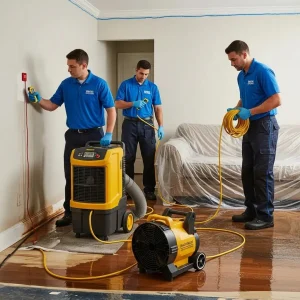
Structural drying services are specialised processes designed to remove moisture from a building’s structure, including walls, floors, and ceilings, particularly after water damage from floods or leaks. These services are essential because they prevent long-term issues such as mould growth, wood rot, and structural weakening, which can compromise the safety and integrity of the property. Proper structural drying minimises repair costs and helps preserve the building’s core elements, making it a crucial step in water damage restoration.
How Do Advanced Drying Techniques Restore Structural Integrity?
Advanced drying techniques restore structural integrity by effectively removing moisture from building materials, which prevents issues like mould growth, wood rot, and structural weakening. The process involves thorough assessment, water extraction, moisture mapping, and the deployment of specialised drying equipment. Continuous monitoring ensures that all moisture is eliminated, preserving the core structural elements and minimising the need for costly repairs.
What Equipment Is Used in Structural Drying Services?
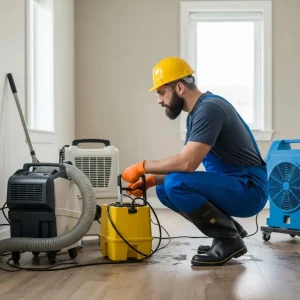
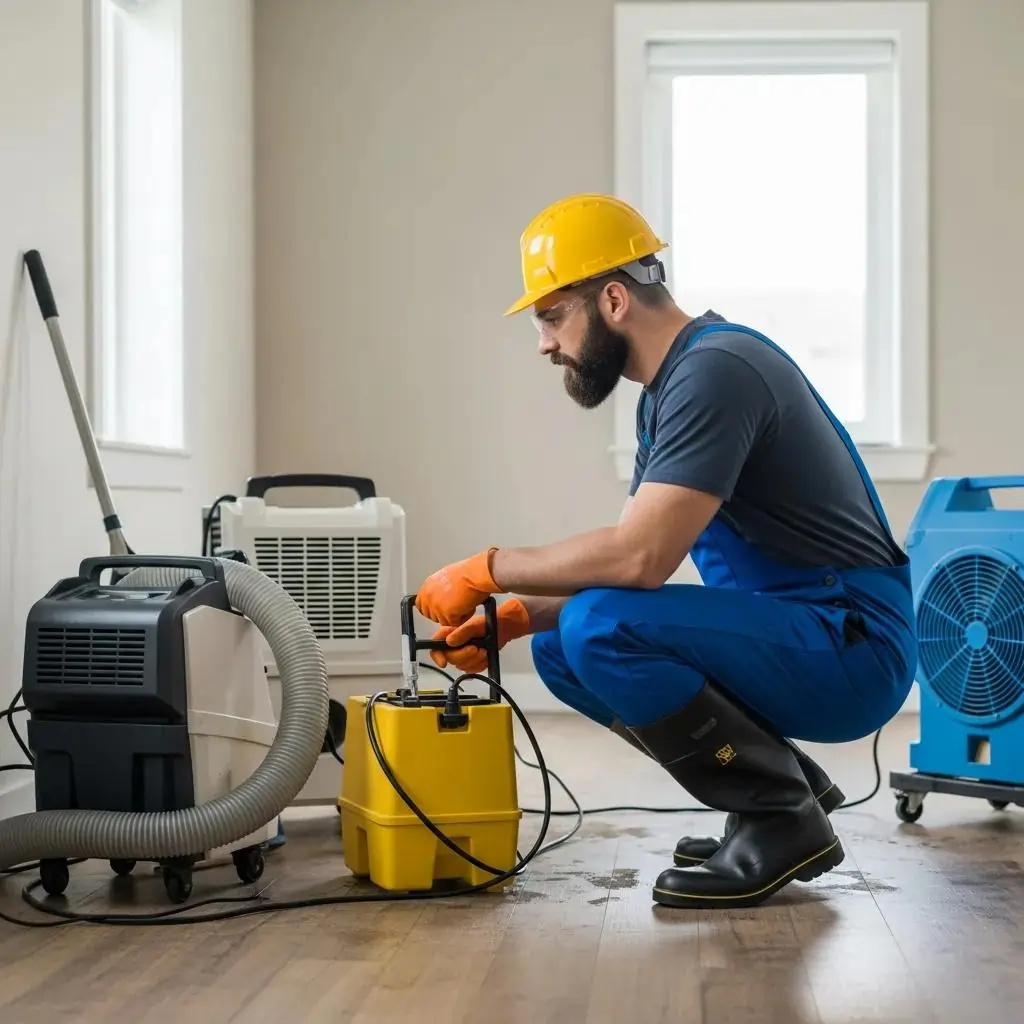
Structural drying services utilise various specialised equipment to ensure effective moisture removal. Commonly used tools include:
- Dehumidifiers: These devices extract moisture from the air, reducing humidity levels and promoting faster drying.
- Air Movers: High-velocity fans that circulate air to speed up the evaporation process.
- Moisture Meters: Instruments used to measure moisture levels in materials, ensuring thorough drying.
- Infrared Cameras: Used to detect hidden moisture behind walls and in other inaccessible areas.
This equipment is essential for achieving optimal drying results and preventing future water damage.
Why Should You Trust Flood Repair Services with Over 40 Years of Experience?
You should trust flood repair services with over 40 years of experience because they likely have extensive knowledge and expertise in handling various flood-related issues. Their long history suggests they have developed effective techniques and solutions for water damage restoration, mould remediation, and structural drying, ensuring a thorough and reliable service.
How Do Certifications and Customer Testimonials Build Trust?
Certifications and customer testimonials build trust by providing real insights into a company’s service quality and reliability. Certifications can indicate a level of professionalism and adherence to industry standards, while testimonials highlight the experiences of past clients, showcasing customer satisfaction. Consistently positive reviews suggest a trusted service provider, and considering both positive and critical feedback offers a balanced view, further enhancing trust.
What Role Does Insurance Claim Assistance Play in Trusted Flood Repair?
Insurance claim assistance plays a crucial role in trusted flood repair services. It helps clients navigate the often complex process of filing claims, ensuring they receive the financial support needed for repairs. Companies that offer this assistance can help streamline the process, making it easier for homeowners to focus on restoring their properties without the added stress of managing insurance claims alone.