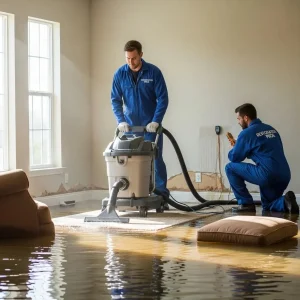
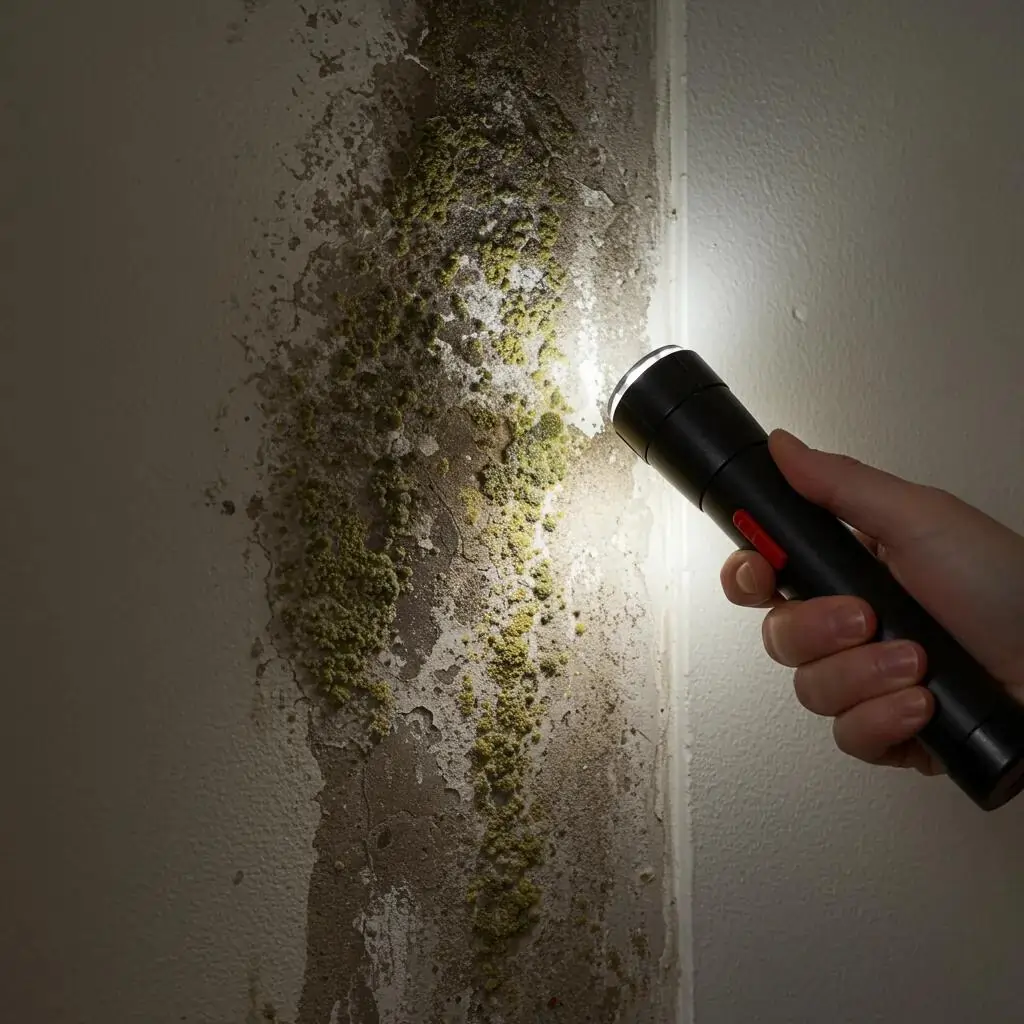
Hidden flood damage is concealed moisture, material breakdown, and microbial growth that remain after visible floodwater has receded, and it can undermine structural integrity, trigger mould growth, and complicate insurance claims if not identified early. This article shows you how to identify hidden flood damage in your home after a flood through ten practical steps, combining simple DIY checks, detection-tool guidance, and clear escalation points for professionals. You will learn to recognise the top signs of concealed water damage, perform a careful visual and olfactory inspection, assess structural and utilities risk, document evidence for insurers, and decide when specialist services are required. Each section offers step-by-step actions, safety precautions, and concise decision triggers so you can protect occupants and preserve your property value. Throughout, we reference detection tools such as moisture meters and thermal imaging, explain how mould develops behind drywall, and map findings to remediation and documentation practices that support claims and repairs.
What Are the Most Common Signs of Hidden Water Damage After a Flood?
Hidden water damage often shows itself through secondary signs because moisture migrates into cavities and building materials before visible failure appears; recognising these signs helps you prioritise where to look. These indicators are reliable because they reflect underlying mechanisms: trapped moisture causes staining and paint delamination, microbial growth produces volatile compounds that smell musty, and prolonged saturation weakens floors and ceilings. Spotting these early reduces health risks and repair costs while improving the quality of documentation for any insurance claim.
Below is a focused list of the top signs to watch for and why each matters.
Common visible and olfactory signs that point to concealed water damage include:
- Musty odour: Persistent earthy or mouldy smells indicate microbial growth in hidden cavities or behind finishes.
- Peeling or bubbling paint: Paint delamination often means trapped moisture or salts migrating from wet materials.
- Staining or discolouration: Brown or yellow stains on ceilings, walls, or skirtings point to past saturation and wick marks.
- Warped flooring: Buckled boards or uneven tiles reveal subfloor saturation or swollen timber joists.
- Soft spots: Areas that depress underfoot suggest subfloor decay or compromised structural sheathing.
- Efflorescence or crumbling plaster: White salt deposits or flaky plaster indicate water movement through masonry.
- Visible mould patches: Surface mould is a sign of underlying moisture reservoirs feeding growth.
These signs form a triage system: odour and staining suggest hidden moisture, while structural movement and soft spots signal degradation that may need urgent action. Recognising the difference between cosmetic signs and structural red flags prepares you for the next step: a methodical inspection that narrows sources and documents damage.
For homeowners who prefer professional verification, Flood Squad, a Sydney-based emergency water damage restoration and repair specialist, can assess these signs and provide a free assessment through their Flood Damage Restoration Sydney service. Their local teams can help prioritise inspections and advise when moisture mapping or targeted remediation is needed.
How Can Musty Odours Indicate Hidden Mould Growth?
Musty odours arise from microbial volatile organic compounds released by mould and bacteria growing in damp environments; these compounds travel through air pathways and often reveal hidden contamination. A sniff test performed systematically, closing doors, then opening small sections of a room and using a handheld torch, can help localise the source to behind cupboards, under floorboards, or inside wall cavities.
Musty odour → indicates → hidden mould growth is a useful semantic triple that links sensory evidence to a likely cause and next action. If odour is strong or occupants experience symptoms, ventilate the area and avoid disturbing suspected mould to prevent spore spread. Professional air sampling or surface testing is recommended when odours persist after drying or when vulnerable people occupy the home.
What Does Peeling Paint Reveal About Water Intrusion?
Peeling, bubbling, or flaking paint often signals entrapped moisture within wall assemblies, occurring when water weakens the bond between substrate and finish and salts migrate to the surface. To differentiate age-related wear from water-related failure, look for associated staining, blistering patterns, or recent exposure to floodwater; water-related peeling typically appears near skirting, window sills, or where water pooled. A gentle tap test or small probe in an inconspicuous area can confirm softness beneath the paint without causing large tears.
Peeling paint – isSignOf – trapped moisture provides a clear diagnostic link that should prompt moisture measurement with a meter or thermal scan if the peeling is widespread.
How to Spot Warped Flooring and Sagging Ceilings as Structural Damage Indicators?
Warped floors and sagging ceilings result from prolonged saturation that weakens timber, adhesive bonds, and plasterboard support systems, and they often precede more serious structural issues. Look for gaps between boards, visible slopes when standing on the floor, or ceiling lines that bow away from joists; document these with photos and level checks where possible. If boards lift or ceilings feel soft, restrict access to those areas and avoid placing heavy loads until a professional assesses joist and beam condition. Warped flooring or sagging ceilings are red flags that could indicate joist swelling or foundation movement and should prompt a structural check if the deformation is pronounced or increasing.
How Do You Perform an Initial Visual and Olfactory Inspection for Flood Damage?
An initial inspection is a safety-first, systematic sweep to find the most obvious evidence of hidden water damage so you can prioritise urgent actions and documentation. Begin with safety: confirm building stability, avoid live electrical panels if flooded, wear basic PPE, and ventilate spaces. Move room-to-room using a torch and camera, photographing stains, peeling finishes, and any odours or visible mould, then record locations and approximate sizes; this evidence supports insurance claims and guides targeted follow-up testing. The inspection aims to map likely moisture reservoirs and produce a clear list of next steps, drying, targeted probing, or professional moisture mapping, which is essential before any repair work begins.
Priority zones to check for damp spots and discolouration include:
- Under sinks, behind dishwashers, and near washing machines where water collects.
- Skirting boards, lower wall cavities, and behind built-in cabinetry where capillary action draws moisture.
- Ceilings below upper-floor rooms and roofline intersections where leaks may have tracked.
Document findings with timestamps and notes describing odours and visible damage so each entry provides a clear record for insurers. These room-by-room checks narrow down areas needing deeper measurement or professional scanning.
What Areas Should You Check for Discolouration and Damp Spots?
Start with areas that naturally trap water: bathrooms, laundries, and spaces with appliances or plumbing penetrations, then extend to less obvious places such as under staircases and inside wardrobes. Use a handheld torch to inspect corners, behind skirting, and in crawlspaces; take close-up photographs and note whether staining is fresh or older by comparing saturation tones. A camera with date stamps helps track progression when you revisit sites, and short video clips capturing odours on camera can supplement written notes. Proper documentation during this stage builds the foundation for moisture mapping or a restoration scope if required.
How to Detect Musty or Earthy Smells Behind Walls and in Hidden Spaces?
Narrowing odour sources requires controlling airflow and isolating zones: close doors, then open each room sequentially to determine where odour intensity peaks, and use a lightweight fan to trace scent paths rather than forcing spores into new areas. Odour migration means the strongest smell may not be at the source, so check adjacent cavities and ceiling voids if living spaces smell but show no surface mould. Limit disturbance; if openings are needed, photograph the process and seal temporary access to avoid spreading contamination. Persistent odours despite drying warrant professional air testing or thermal/infrared scans to reveal moisture hotspots.
At this point, homeowners should recognise the limits of DIY checks: moisture can be hidden behind finishes or in subfloors that require calibrated instruments. Flood Squad offers a free assessment and professional moisture and thermal scans to confirm hidden moisture, which helps direct targeted drying and remediation.
How Can You Assess Structural Flood Damage Safely and Effectively?
Assessing structural flood damage balances careful observation and non-destructive probing so you can detect compromised elements without creating hazards. Structural assessment focuses on foundations, load-bearing walls, joists, and beams, elements where moisture causes long-term weakening and misalignment. Use visual signs, simple probe tests, and careful walking tests to spot soft spots and deflection; avoid cutting into supports or removing bracing without professional direction. When in doubt, document concerns, restrict access to affected areas, and arrange a professional structural inspection.
Signs of foundation and exterior wall cracking, and safe monitoring methods, include the following:
- Hairline vs structural cracks: Hairline surface cracks are often cosmetic, while stepped or wide openings may indicate settlement.
- Soil shift indicators: Exposed roots, uneven drainage lines, or newly visible gaps between cladding and foundation suggest movement.
- Monitoring tips: Photograph, measure, and mark crack widths over time to detect progression before calling professionals.
These classification steps help you decide whether to monitor or urgently engage a structural specialist; the next table compares structural elements, detection methods, and recommended responses.
| Structural Element | Detection Method | Recommended Response |
| Foundation (concrete/strip) | Visual crack mapping, measure and photograph progression | Monitor hairline cracks; call pro for stepped or widening cracks |
| Floor joists and beams | Tap tests, deflection observation, lightweight probe at edge | Restrict load if soft spots appear; arrange structural assessment |
| Drywall and plaster | Surface inspection, moisture meter readings behind skirting | Dry and monitor if low moisture; remove and remediate if persistent wetness or mould |
This table clarifies which observations are manageable and which require specialist intervention; if you see progressive cracking or significant deflection, prioritise evacuating the area and calling a qualified assessor.
Understanding the complexities of flood damage assessment for building structures and their contents is crucial for effective risk analysis and mitigation. A comprehensive review highlights the need for reliable data and effective communication of uncertainty across various methodologies.
Flood Damage Assessment for Building Structures and Contents
As a natural hazard, flooding can inflict significant damage upon buildings. Buildings are vital components of an economy, providing essential spaces for human activities. Consequently, any substantial alteration to their serviceability impacts living conditions at local, regional, and even global levels. Therefore, building damage assessment constitutes a crucial element of flood risk analysis. This review paper offers an insight into flood damage assessment for building structures and their contents: examining past research, the current state of the art, and areas requiring improvement. The buildings considered encompass residential, commercial, and industrial types. The methodologies are categorised into two main groups: (1) employing real-world data and empirical models, and (2) utilising ‘what-if’ analyses and analytical models. Distinctions in the damage assessment of a building’s structure versus its contents are elucidated in a dedicated section. Flood-related factors influencing damage to building structures and their contents are presented. The manner in which specific methods account for some of these flood factors is described. Limitations and shortcomings of each method, alongside their advantages and strengths, are discussed. A primary challenge identified across methods in both categories is the scarcity of reliable data for both model construction and validation. The inability to effectively communicate uncertainty is another significant issue identified in the literature.
A review of flood damage analysis for a building structure and contents, MT Marvi, 2020
What Are the Signs of Cracks in Foundations and Exterior Walls?
Foundation and exterior wall cracks that warrant concern include wide, stepped, or diagonal fissures, gaps at junctions, and sudden changes in door/window alignment that coincide with post-flood settlement. Classify cracks by width and pattern: hairline surface cracks are low risk, while expanding or new diagonal cracks often signal structural settlement or heave. Monitor suspected cracks weekly with photos and simple measuring marks, and note any associated drainage changes or soil erosion that could worsen movement. Immediate professional input is required if cracks grow, doors jam, or floors slope noticeably.
How to Identify Warped Floors, Soft Spots, and Drywall Damage?
Warped floors show visible rippling, gaps between boards, or squeaks when walked upon; soft spots respond with localized depression underfoot and may indicate subfloor rot or joist damage. Drywall damage includes sagging joints, bulging panels, and loss of rigidity when gently pressed near seams. Simple probe tests at skirting edges and photographic documentation provide evidence while avoiding large invasive checks. If soft spots or widespread drywall failure appear, restrict access and consider structural drying and cavity inspection by restoration specialists.
When Does Structural Damage Require Professional Assessment?
Professional assessment is required when you observe any of the following red flags: wide or widening cracks, sagging floors or ceilings, visible movement of load-bearing elements, persistent new soft spots, or safety concerns such as exposed wiring with corrosion. Evacuate or restrict access to visibly unsafe zones and shut off utilities if necessary to prevent further risks. A structural inspection provides a calibrated assessment for repair planning and insurance documentation. Early professional involvement saves time and expense by preventing progressive damage.
How Do You Check Utilities and Appliances for Hidden Flood Damage?
Utilities and appliances are high-risk components after flooding because electrical systems, motors, and control electronics tolerate little water without failing; checking them requires safety-first actions and documented assessment. Start by assuming submerged equipment may be unsafe, do not operate appliances or restore power until a licensed electrician or technician has inspected them. Inspect visible signs of corrosion, charred wiring, water in enclosures, and trapped debris, and photograph everything for claims. The following table helps prioritise action by item, signs of damage, and immediate response.
| Item | Signs of Damage | Immediate Action |
| Main electrical panel | Corrosion, water inside enclosure, tripped breakers that won’t reset | Do not touch; keep power off and arrange electrician inspection |
| Hot water system | Rust, sediment, noisy operation, loose wiring | Isolate gas/electric supply and have a technician assess tank and controls |
| Dishwashers / washing machines | Water in base, motor noise, seals compromised | Disconnect power, document, and arrange appliance service; do not run |
This EAV table helps you triage which appliances pose immediate danger and which can be documented for later repair; always prioritise electrical isolation before investigation.
What Are the Signs of Electrical System Damage After Flooding?
Electrical damage can be obvious, burn marks, melted insulation, or charred outlets, or hidden as corrosion on connections and moisture in switchgear that creates intermittent faults. Never touch wet switchboards; if you suspect water reached distribution equipment, keep mains isolated and call licensed electricians. Indicators that require a licensed inspection include breakers that trip repeatedly, unexplained residual smells of burning, or visible corrosion on terminals. When electrical compromise is suspected, professional testing and full certification are necessary before restoring normal use.
How to Detect Plumbing Leaks and Appliance Water Damage?
Inspect plumbing fixtures, under-sink cabinets, and behind washing machines for pooled water, loose joints, or saturated insulation that suggest ongoing leaks. Quick tests include wiping suspicious areas with a dry towel to reveal dampness and checking for irregular water flow or pressure changes that indicate hidden leaks. Photograph leaking points with timestamps and record appliance model and serial numbers where visible for insurance. If major leaks are found, shut the water supply at isolation valves and engage plumbers to stabilise the system and prevent further water entry.
What Exterior and Foundation Checks Help Reveal Hidden Flood Damage?
Exterior inspection reveals water pathways and soil movement that often precede hidden damage inside the building envelope; checking exteriors completes the diagnostic picture. Look for displaced soil, eroded drainage lines, clogged gutters, and damaged flashing around openings that allow water entry. These exterior indicators explain how water migrated into cavities and should be documented with photos and simple measurements. Exterior findings inform whether subsurface remediation, drainage regrading, or foundation repairs are needed before interior restoration.
How to Inspect Siding, Windows, and Doors for Water Intrusion?
Examine seals, flashing, and weep holes around windows and doors, and inspect the base of siding for discolouration or softened material that indicates water ingress. Test openings by drying the area, then simulate rainfall with a controlled hose test if safe, watching for leaks inside; document any water paths you discover. Temporary mitigation can include tarping or resealing vulnerable joints while planning professional repairs. If flashing is compromised or cladding has absorbed water deeply, trades such as carpentry and weatherproofing specialists will be needed.
What Do Cracks and Soil Shifts Around the Foundation Indicate?
Cracks and soil shifts often reflect settlement, heave, or erosion after floodwaters saturate subgrades, and can lead to differential foundation movement that stresses the structure. Signs include newly exposed footing edges, gaps at wall-to-foundation junctions, and slumped paved areas; measuring and photographing these changes over time reveals active movement. If soil washing or undermining is evident, consult structural and geotechnical professionals to stabilise the ground and plan underpinning or drainage improvements. Early stabilisation prevents progressive settlement and costly foundation repairs.
When and Why Should You Call a Professional for Flood Damage Assessment?
Call a professional when your inspection uncovers health risks, structural instability, extensive mould, or when evidence collection needs calibration for insurers; professionals use specialised tools and standards to produce reliable scopes for remediation. Licensed teams provide moisture mapping, thermal imaging, controlled drying, mould remediation, and formal reports that support insurance claims and repair planning. Professional assessment is essential when signs exceed DIY thresholds or when occupants include vulnerable people. Below is a comparison of commonly used detection tools and services to help decide which professional capabilities you need.
| Tool / Service | Accuracy / Use | Recommended Use-Case |
| Moisture meter | High for surface & near-surface readings | Spot checks in skirtings, timber, and plaster to quantify moisture |
| Thermal imaging | Good for temperature differentials that indicate moisture paths | Scan wall cavities and floors to locate hidden damp zones |
| Mould remediation services | Outcome-oriented remediation and clearance testing | When active mould contamination or health risks are present |
Flood Squad provides emergency response and specialist services, including structural drying, mould remediation, water extraction, sterilisation, and flooded water damage carpet cleaning, with same-day emergency response, 24/7 availability, and a free assessment to begin a remediation plan. These capabilities are valuable when red-flag conditions or persistent moisture require immediate professional intervention.
How Do Moisture Meters and Thermal Imaging Detect Hidden Water Damage?
Moisture meters measure electrical properties or pin resistance in materials to produce quantitative moisture readings, which helps distinguish dry from saturated zones; readings above material-specific thresholds indicate retained moisture. Thermal imaging detects temperature differences on surfaces that often correspond to evaporative cooling from damp areas, revealing hidden moisture paths across wall and floor assemblies. Both tools have limitations, thermal scans can be masked by ambient temperature or insulation, and meters need correct calibration and surface contact, which is why professionals combine methods to produce robust moisture maps for remediation planning.
How Can Professional Mould Remediation Prevent Health Risks?
Professional mould remediation combines containment, removal of contaminated materials, HEPA filtration, and clearance testing to reduce spore counts and limit occupant exposure; this approach prevents recontamination during remediation and documents outcomes. For occupants with respiratory vulnerability, remediation reduces symptom triggers and prevents chronic exposure. Remediation contractors follow controlled procedures to remove settled spores and remediate moisture sources, then provide clearance that supports safe re-occupancy.
How Does a Professional Assessment Support Insurance Claims?
A professional assessment produces time-stamped photography, moisture maps, calibrated meter readings, and formal scope reports that insurers accept as objective evidence of damage and needed remediation. Collecting these items at intake accelerates claim approval and ensures repair work targets root causes rather than cosmetic fixes. Keep copies of all reports and communicate findings to your insurer promptly; professional documentation also helps contractors scope repairs accurately and reduces the risk of disputes.
What Are the Health Risks and Safety Precautions When Identifying Hidden Flood Damage?
Hidden flood damage can harbour contaminated floodwater residues, sewage, and mould that pose respiratory and infectious hazards; taking safety precautions protects occupants and inspectors. Use appropriate PPE, avoid disturbing suspected mould, and keep vulnerable people away from contaminated zones until clearance. Prioritise ventilation, avoid DIY remediation of extensive mould, and document hazards to inform professionals about contamination risks and required controls. Understanding health risks guides safer inspection choices and signals when to escalate to trained remediation teams.
Can Hidden Flood Damage Cause Respiratory Issues from Mould Exposure?
Prolonged exposure to mould spores and microbial byproducts can provoke respiratory irritation, coughing, wheeze, and exacerbation of asthma in susceptible individuals; immune-compromised and elderly occupants are at higher risk. Short-term actions include removing vulnerable occupants from affected areas, increasing ventilation, and avoiding disturbance of mouldy materials that can aerosolise spores. If occupants develop persistent symptoms after re-entry, seek medical advice and pursue professional remediation to remove the contamination source.
What Safety Measures Should Homeowners Take During Inspections?
Homeowners should wear N95 or P2 respirators, gloves, eye protection, and rubber boots when entering water-damaged spaces, and avoid entering structures that show obvious structural instability. Never attempt electrical repairs or power restoration yourself; leave panel and meter checks to licensed electricians. Keep pets and children away from contaminated zones and document hazards for professionals to address. These precautions reduce exposure while preserving evidence needed for claims and remediation.
How Can You Prevent Future Hidden Flood Damage After Restoration?
Prevention focuses on reducing moisture entry, improving drainage, and maintaining the building envelope so hidden damage is less likely after future flood events. Implement measures such as clearing gutters, regrading soil away from foundations, sealing penetrations, and improving ventilation in wet-prone rooms; these actions reduce the likelihood that moisture will become trapped and later manifest as hidden damage. Regular inspection cadences and maintenance catch small failures early and keep your property resilient. The list below outlines practical maintenance priorities and inspection frequency to minimise future risk.
Key maintenance actions to reduce mould and structural problems:
- Maintain drainage: Clear gutters and ensure downpipes direct water away from the foundation.
- Repair leaks promptly: Fix plumbing and roof leaks the moment they are detected.
- Improve ventilation: Use extraction fans in bathrooms and laundries and consider dehumidification in humid climates.
- Seal the building envelope: Reseal windows, doors, and service penetrations to limit water ingress.
What Maintenance Tips Reduce the Risk of Mould and Structural Issues?
Seasonal tasks such as clearing gutters in autumn, inspecting roof flashings after storms, and checking subfloor ventilation quarterly prevent water from reaching concealed cavities. Trim vegetation away from cladding and maintain graded ground slopes to encourage runoff away from the foundation. Schedule professional inspections for roof and drainage systems annually or after major storms to spot early signs of vulnerability. Regular maintenance lowers the chance of hidden damage escalating into costly structural or health problems.
How Does Regular Inspection Help Detect Early Signs of Water Damage?
A routine inspection cadence, monthly for high-risk zones, quarterly for general checks, and after major weather events, catches small leaks and moisture trends before they generate hidden damage. Logging each inspection with dated photos, moisture meter readings, and brief notes builds a history that helps identify progressive issues and supports warranty or insurance claims. Combining simple DIY checks with occasional professional scans creates a layered defence that keeps hidden flood damage from developing unnoticed.
- Monthly: Check under sinks, around appliances, and in crawlspaces for dampness.
- Quarterly: Inspect gutters, downpipes, and roof flashings for blockages or damage.
- After significant storms: Perform a full visual sweep and photograph any new stains or movement.
Regular inspections, combined with prompt remediation, create resilience and reduce the long-term cost of flood events.
This article has shown practical, safe steps to identify hidden flood damage after a flood, how to document findings for claims, and when to bring in experts. For Sydney homeowners seeking professional support, Flood Squad offers same-day emergency response, 24/7 availability, and a free assessment, delivering services that include mould remediation, structural drying, water extraction, sterilisation, and flooded water damage carpet cleaning to help restore safety and minimise ongoing risk.