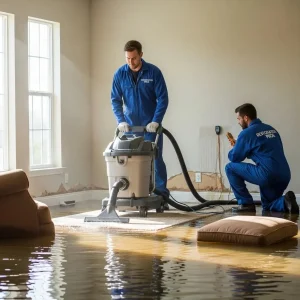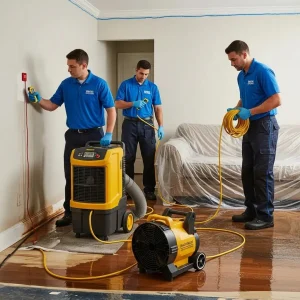

Flood insurance in Sydney, Australia provides financial protection for homeowners facing water incursion from rivers, surface water, groundwater, or coastal surges and helps cover repair, replacement, and temporary living costs after an incident. This guide explains what typical flood cover includes, how to assess your flood risk using NSW SES flood maps, Bureau of Meteorology (BoM) information, and local council records, how general insurance practices and resilience measures affect affordability and resilience, and the practical steps to file a claim that insurers will accept. Many homeowners are unsure whether buildings cover, contents cover, or temporary accommodation cover applies after a flood; this article clarifies those distinctions and outlines common policy exclusions to watch for. You will also find a step-by-step claims checklist, a documentation table mapping insurer evidence to restoration outputs, and practical advice on when professional restoration is essential to protect both your property and your claim. Read on to learn how to evaluate your flood exposure, what to expect from the claims process, and how timely mitigation and certified restoration work can preserve the value of any insurance settlement.
What Does Flood Insurance Cover in Sydney, Australia?
Flood insurance typically sits within buildings and contents insurance products and includes physical repair to the structure, replacement of insured contents, and reasonable additional living costs if a home becomes uninhabitable. Buildings cover usually addresses the permanent elements of a property, walls, floors, fixed sanitary ware, and integral fixtures, while contents cover addresses personal possessions that are portable, repairable, or replaceable. Temporary accommodation and alternative living expenses reimburse reasonable hotel or rental costs while repairs occur, and many policies also include debris removal and professional drying where specified. Policy wording varies by insurer, so checking limits, excesses, and whether your insurer requires licensed contractors for certain repairs is critical to avoid later disputes.
This section summarises the typical scope of cover in concise categories and explains variations homeowners commonly encounter when reading policy documents. Understanding these distinctions helps you match documentation and restoration evidence to the right part of your claim, which is the next practical step when a flood occurs.
- Buildings cover generally relates to the permanent fabric of the property and attached fixtures.
- Contents cover relates to movable items, personal belongings, and some appliances.
- Temporary accommodation covers reasonable additional living costs while essential repairs are completed.
The list above clarifies the main cover categories; the following table maps common inclusions and exclusions so you can compare what insurers usually pay for and what they may treat differently.
Different policy sections address distinct risks and repair activities; the table below helps homeowners identify which part of a claim to present to their insurer.
| Cover Type | Typical Inclusions | Typical Exclusions or Limits |
| Buildings cover | Structural repairs to walls, roofs, floors; fixed bathrooms and kitchens; electrical rewiring as required | Excludes outbuildings not specified, pre-existing defects, gradual subsidence or wear and tear |
| Contents cover | Furniture, personal electronics, clothing, portable appliances, carpets (if insured) | May limit high-value items, apply depreciation, or exclude items stored in basement areas |
| Temporary accommodation | Reasonable hotel costs, rental of alternative property, additional travel costs | Limited by policy daily caps, time limits, and requirement to justify expenses |
This table shows why it is important to read policy limits and check whether debris removal, drying, or specialist remediation are explicitly included, since those technical services can affect both scope and timing of settlement. Understanding what belongs to buildings, contents, or living-expenses sections guides the evidence you should gather for a smooth claim.
Which Buildings and Property Elements Are Protected?
Buildings cover protects the permanent parts of your home, including load-bearing walls, structural floors, fixed bathroom and kitchen units, staircases, and integral heating systems, because these elements define the property’s habitability and structural integrity. Insurers commonly fund the repair or replacement of these fixed elements after flood damage, subject to the policy limit and any specified excess, and may require certified contractors for major works. Less commonly covered items include detached outbuildings, garden structures, or fences unless those are specifically listed on your policy; such differences are often a source of claims confusion. Check your policy schedule carefully to confirm whether garages, sheds, or boundary walls are included and whether sums insured are adequate for full reinstatement. Knowing which elements are protected helps you prioritise immediate mitigation and document the right items for an adjuster’s assessment.
What Contents and Personal Belongings Are Included?
Contents cover applies to items you would take with you or move, such as furniture, portable electronics, clothing, and many household appliances, and it typically reimburses repair or replacement value within policy limits and valuation methods. Some policies apply “new-for-old” replacement for certain items, while others use depreciation; this affects settlement amounts, so keep receipts, serial numbers, and photographs to support full-value claims. Home inventories and timestamped photographs taken before and after incidents significantly speed up claims and reduce disputes about ownership or condition. For high-value possessions such as jewellery, antiques, or specialised equipment, separate endorsements or specified-item lists are often required to ensure full cover. Maintaining an up-to-date contents inventory with receipts or online order records is a simple preventive step that improves claim outcomes.
Do I Need Flood Insurance? Assessing Your Flood Risk in Sydney, Australia
Whether you need flood insurance depends on your assessed flood risk, the location and construction of your property, and personal tolerance for financial loss if an extreme event occurs. A direct way to assess risk is to consult the NSW SES flood maps, Bureau of Meteorology (BoM) information, and local council records to identify historic flood events and surface-water vulnerability; combining this with property-level factors such as ground-floor living, proximity to rivers or sewers, and local drainage issues gives a practical risk picture. Even properties classified as low-risk can experience flash flooding, blocked drains, or internal leaks that mimic flood damage, so insurance can offer wide-ranging protection beyond river or coastal events. Consider the financial exposure of repairing structural damage, replacing contents, and funding temporary accommodation when assessing whether insurance premiums are economical relative to potential losses.
To make an actionable assessment, use the following checklist to combine objective data with property-specific factors before deciding on cover.
- Check official flood maps (e.g., NSW SES, BoM) and local council records for past incidents and predicted risk levels.
- Inspect property characteristics: ground-floor rooms, basement spaces, proximity to watercourses, and surface drainage.
- Estimate potential replacement and repair costs, including temporary accommodation, to compare with annual premium expenses.
This checklist helps translate flood map results into practical decisions about cover and resilience measures; once you know your risk level, exploring options for affordable cover and resilience measures can make them more accessible.
How Are Flood Risk Areas Determined in Sydney, Australia?
Flood risk areas are determined using multiple datasets including river and coastal modelling, surface-water mapping, and historic incident records; state and national bodies publish these maps to show the probability of different types of flooding. The NSW State Emergency Service (SES) and Bureau of Meteorology (BoM) maps indicate areas at varying probabilities of river or coastal flooding, while local councils and water authorities (e.g., Sydney Water) may hold records for surface-water or sewer-related incidents. Risk ratings influence insurer pricing and the likelihood of policy exclusions or higher excesses; properties in higher-risk zones commonly face higher premiums or specific terms unless they qualify for assistance schemes. Checking multiple sources gives a fuller picture: combine national maps with local knowledge, neighbour history, and recent planning changes that might alter flood behaviour over time.
Can Low-Risk Homes Benefit from Flood Insurance?
Even low-risk homes can benefit from flood insurance because secondary sources of water damage, burst pipes, blocked drains, flash flooding after heavy rainfall, can inflict costly repairs and content losses that are difficult to self-fund. Insurance provides financial certainty and protects homeowners against rare but high-cost events; premiums for low-risk homes are often modest compared with the risk of replacing carpets, electrical systems, and furniture. Consider the replacement value of items stored at ground level and whether your mortgage or lender requires insurance; these practical considerations often make cover a prudent, low-friction safeguard. If you decide not to insure, maintaining strong resilience measures and an up-to-date inventory becomes even more important to minimise financial exposure.
Navigating Flood Insurance Affordability and Resilience in Sydney
While Sydney does not have a direct equivalent to the UK’s Flood Re scheme, homeowners can still navigate flood insurance affordability by understanding their risk profile, exploring different insurers, and implementing resilience measures. Insurers assess risk based on location, property characteristics, and historical data, which influences premiums. Proactive steps to mitigate flood risk, such as elevating critical infrastructure or using water-resistant materials, can potentially lead to more favourable insurance terms and reduce long-term costs. Additionally, government grants or disaster relief programs may be available after significant flood events to assist with recovery and rebuilding with greater resilience.
Below is a concise checklist homeowners can use to explore insurance options and resilience initiatives.
- Understand your property’s flood risk profile using official maps and local council information.
- Compare quotes from multiple insurers, clearly disclosing your property’s flood history and any mitigation efforts.
- Investigate potential government grants or local council initiatives for flood resilience improvements in your area.
This checklist provides practical next steps; if you are uncertain about your options, contact your insurer for clarification and explore local government resources for resilience funding that may reduce your long-term exposure.
Understanding Insurance Eligibility and Risk Factors
Insurance eligibility and premiums in Sydney are determined by a combination of property attributes, location-specific flood risk data, and individual insurer underwriting rules. Factors such as proximity to waterways, elevation, historical flood events, and the type of construction all play a role. Homeowners should consult their insurer to understand how their property’s specific risk factors influence their policy terms and premiums. If a property is deemed high-risk, insurers may offer cover with higher excesses or specific conditions, or recommend resilience measures that could potentially lead to more favourable terms. Verifying these details early helps homeowners secure the most suitable and affordable options.
Implementing Flood Resilience Measures for Your Property
Implementing flood resilience measures is a proactive way to protect your property and potentially influence insurance terms, even without a specific ‘Build Back Better’ scheme. These measures involve restoring or upgrading property with materials and designs that reduce future flood damage. Typical measures include raising electrical outlets and appliances, installing water-resistant plasterboard, using flood-resistant doors and windows, and improving external drainage to divert water away from the property. While direct funding for these measures may vary, investing in resilience can lead to long-term reductions in future damage, potentially lower claim costs, and demonstrate to insurers a proactive approach to risk management, which can be favourable during future underwriting.
How to Make a Flood Insurance Claim: Step-by-Step Guide for Sydney Homeowners
After a flood, prompt, organised action reduces loss and helps smooth the insurance claim process; the immediate priority is safety followed by mitigation, documentation, and insurer notification. First, ensure everyone is safe and, where appropriate, switch off electricity and gas only if safe to do so; then take clear photographs and timestamped videos of damage before any major cleaning or removal. Next, contact your insurer to notify them and follow their guidance on temporary mitigation; keep a written log of calls and names, and retain receipts for emergency purchases and accommodation. Finally, arrange for an adjuster visit and collect restoration evidence such as drying certificates, moisture readings, and contractor reports to support your claim and speed settlement.
Below is a numbered procedural checklist to follow in the first 72 hours after flooding to preserve safety, evidence, and claims eligibility.
- Ensure safety: evacuate if necessary and avoid standing water that may be contaminated.
- Photograph and video all damage with timestamps before moving items.
- Notify your insurer immediately and follow their emergency instructions.
- Keep a damage log, collect receipts, and retain any temporary accommodation invoices.
- Obtain written reports and moisture readings from any contractors performing mitigation.
This stepwise approach helps you meet insurer expectations and prepare the documentation required for a prompt assessment and settlement.
The table below maps insurer-required documentation to typical restoration evidence that contractors can supply, helping homeowners know what to request and keep for their claim.
| Document Type | What Insurers Require | Example Restoration Evidence |
| Photographic record | Clear images of affected areas and items | Time-stamped photos/videos before and after mitigation |
| Repair estimates | Detailed cost breakdown from qualified contractors | Written quotes and itemised job sheets |
| Drying verification | Proof that structures are dried to acceptable moisture levels | Moisture meter readings and drying certificates |
| Receipts and invoices | Proof of emergency purchases and accommodation | Receipts for hotel stays, rental costs, emergency materials |
| Contractor reports | Description of works carried out and rationale | Job reports, sanitation records, mould remediation logs |
This table clarifies which documents are most persuasive to insurers and shows how professional restoration evidence maps directly onto insurer requirements; obtaining these items early reduces delays in assessment and settlement.
A professional restoration specialist, such as Flood Squad, offers flood damage restoration, structural drying, water extraction, mould remediation, sterilisation, and carpet cleaning services with 24/7 emergency response and same-day attendance where possible. Their documentation, including moisture readings and job reports, can be used as part of your insurer’s evidence package to demonstrate timely mitigation and verified drying, which helps protect claim value and reduce disputes.
What Information Do You Need to File a Claim?
To file a claim efficiently, prepare property details, policy number, incident date, and a clear inventory of damaged items with estimated values, these anchor the insurer’s initial assessment and speed verification. Provide timestamped photographs and videos showing the extent and progression of damage, and keep all receipts for emergency purchases, temporary accommodation, and contractor invoices to support expense claims. Have contractor quotes or mitigation job sheets available for structural repairs, and request drying records and sanitation certificates from any restoration firm that attends. Accurate, well-organised information reduces back-and-forth with claims handlers and helps secure a timely decision on cover and settlement.
A downloadable checklist or printed pack with these items helps homeowners present a coherent claim package; this organisation matters because adjusters rely on documentation to quantify loss and approve repairs. Ensure you ask contractors for written job reports and moisture readings so your claim incorporates technical evidence that underpins repair decisions.
How Does the Claims Process Work and What Are Common Timelines?
The claims process typically follows notification, initial assessment, mitigation, detailed assessment, and settlement stages, with timelines varying by severity, adjuster availability, and complexity of repairs; straightforward claims may progress within weeks whereas complex structural repairs can take months. After you notify your insurer, an initial assessment is scheduled and emergency mitigation should proceed promptly to limit secondary damage, and insurers expect reasonable steps to protect the property. Adjusters then approve scope and contractors, and once repairs are completed insurers process invoices and reimburse according to policy terms. Delays commonly arise from supply-chain constraints, specialist contractor scheduling, or disputes over pre-existing conditions, which is why documentation and timely professional mitigation matter.
Clear communication between homeowner, insurer, and restoration team reduces misunderstandings and speeds progress; restoration firms that provide detailed job reports and drying certificates often help claims move faster by demonstrating compliance with insurer expectations and reducing the need for repeated inspections.
What Are the Common Exclusions and Limitations of Flood Insurance in Sydney, Australia?
Flood insurance policies commonly exclude gradual damage, wear and tear, and certain forms of contamination or hygiene-related deterioration, meaning not all water-related problems automatically qualify for cover. Typical exclusions include pre-existing issues that predate the policy, damage caused by unresolved maintenance failures, and gradual ingress such as persistent damp that develops over time rather than a discrete flooding event. Outbuildings, certain garden structures, and some types of ancillary buildings may also be excluded unless specifically listed. Understanding exclusions helps homeowners avoid surprises and take pre-emptive maintenance or purchase supplementary cover where needed.
Identifying likely exclusions and the actions you can take to mitigate them helps protect claim value and avoid disputes; the next table clarifies common exclusions and a homeowner’s recommended actions when they encounter them.
| Exclusion Type | How Insurers Typically Interpret It | Likely Outcome / Homeowner Action |
| Wear and tear | Damage from long-term neglect or gradual deterioration | Repair proactively; document maintenance to contest denials |
| Pre-existing damage | Conditions present before policy inception | Provide pre-loss surveys or obtain independent inspections |
| Outbuildings/garden structures | Not automatically included in buildings cover | Add specific endorsements or insure separately |
| Gradual damp/mould | Progressive moisture issues rather than acute flood | Commission investigations and fix underlying causes; document remediation |
This table helps homeowners see how exclusions are framed and what practical steps minimise the risk of declined claims, such as keeping maintenance records and commissioning timely remediation.
Which Types of Flood Damage Are Typically Not Covered?
Damage that arises from negligence, lack of maintenance, gradual deterioration, or incidents excluded by policy wording is often not covered; examples include rot from years of condensation, corrosion from long-term leaks, and structural problems not caused by the insured event. Similarly, contamination-related losses may be treated differently depending on whether the policy includes pollution or sanitation cover; some policies exclude certain hygiene remediation tasks unless explicitly added. Disputes often stem from unclear cause-of-loss determinations, so independent surveys and prompt professional intervention help demonstrate that damage resulted from the insured flood event. Knowing these distinctions guides repair prioritisation and the commissioning of expert reports to support your claim.
How Do Exclusions Affect Your Flood Insurance Policy?
Exclusions can materially reduce payout amounts or shift repair responsibility back to the homeowner, increasing out-of-pocket costs and potentially prolonging disruption; understanding how exclusions apply lets homeowners plan for supplementary cover or resilience upgrades. Where insurers exclude particular items, it may be cost-effective to purchase endorsements or separate policies for valuable items or outbuildings. Taking resilience measures, for example, raising electrics or fitting airbrick covers, can also reduce the risk of exclusion disputes by showing proactive risk management. When policies are ambiguous, obtain written clarifications from your insurer and consider professional advice to avoid unexpected claim outcomes.
Beyond Insurance: Why Professional Flood Damage Restoration Is Essential
Professional flood damage restoration is critical not only to return a property to safe habitability but also to provide the technical evidence insurers expect for claim settlement, making restoration a practical extension of the claims process rather than an optional extra. Restoration services such as rapid water extraction, structural drying, mould remediation, sanitisation, and specialist carpet cleaning arrest secondary deterioration, reduce health risks, and provide moisture readings, drying certificates, and job reports that map directly onto insurer requirements. Fast, documented restoration reduces long-term repair costs by preventing structural decay and mould growth, and the documentation produced by reputable restoration firms supports clearer, faster insurer decisions and preserves claim value.
Below is a bulleted list of common emergency restoration services and the benefit each delivers in a claim context.
- Water extraction: removes standing water to prevent secondary damage and microbial growth.
- Structural drying: reduces moisture to safe levels, evidenced by moisture meter logs and drying certificates.
- Mould remediation: removes and treats biological growth, reducing health risks and future liability.
- Sanitisation: decontaminates affected areas to meet hygiene expectations for re-occupation.
- Carpet and soft-furnishing cleaning: restores salvageable items and documents condition prior to replacement.
These services illustrate how technical remediation both mitigates loss and provides the measurable evidence insurers need; the next paragraph explains typical timelines and a short anonymised example.
A short anonymised case example: a homeowner in a surface-water event secured rapid water extraction and structural drying within 24 hours; detailed moisture readings and a drying certificate from the restoration contractor allowed the insurer to approve full-scope repairs within weeks rather than months, avoiding progressive mould damage and reducing total claim costs. This illustrates how prompt, documented restoration preserves both property and claim value and supports a smoother recovery path.
Professional restoration specialists, such as Flood Squad, provide emergency water damage restoration and offer targeted services including flood damage restoration, structural drying, water extraction, mould remediation, sterilisation, and carpet cleaning with 24/7 emergency response and same-day attendance where possible. Their job reports, moisture readings, and drying certifications are designed to align with insurer documentation expectations so homeowners can demonstrate timely mitigation and reduce the risk of claim disputes. If you are arranging emergency works, ask for written drying logs, job reports, and before/after photographs to ensure the restoration evidence supports your insurance claim.
What Emergency Restoration Services Are Available After a Flood?
Emergency restoration contractors offer a suite of immediate interventions to stabilise property and prevent secondary damage, including rapid water extraction, controlled structural drying using desiccant or dehumidifier systems, and sanitation to reduce contamination risks. Contractors also conduct targeted mould remediation when biological growth is present and provide specialist carpet cleaning or soft-furnishing treatments to salvage items where possible. Each service typically concludes with a written report that includes moisture readings, remediation steps taken, and recommendations for repairs or further works, documents that map directly into insurer evidence requirements. Selecting a contractor who provides clear, technical documentation helps ensure repairs align with insurer expectations and avoids unnecessary claim friction.
How Does Timely Restoration Support Your Insurance Claim?
Timely restoration demonstrates to insurers that you have taken reasonable steps to minimise loss, which is often a policy requirement, and the technical outputs from restoration teams, moisture logs, drying certificates, remediation reports, function as objective evidence supporting the scope and timing of repairs. Rapid mitigation reduces secondary damage such as mould, timber decay, and corrosion, which otherwise amplifies repair complexity and cost and can trigger coverage disputes. Well-documented emergency remediation therefore shortens adjuster assessments, reduces the need for repeat inspections, and preserves claim value by preventing escalation of damage. Fast action plus robust documentation is the most effective way to align property recovery with insurer expectations and facilitate prompt settlement.
- When to call a restoration specialist: If water is present in living spaces, if contamination or sewage is involved, or if structural elements are soaked, call professional restorers immediately to secure evidence and begin certified drying.