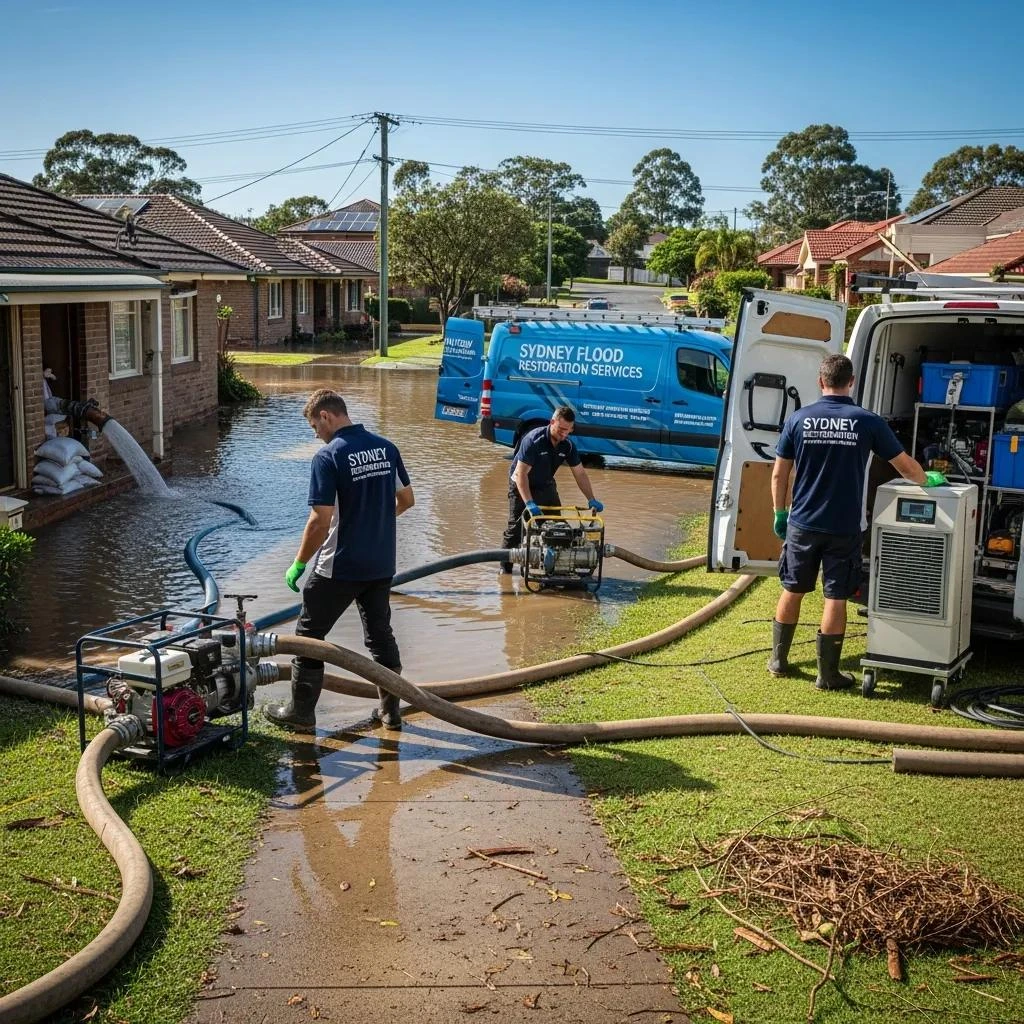
Flood damage restoration is the urgent, technical response required to limit property loss and health risks after water intrusion, and this guide explains how professional services operate in Sydney to restore safety and habitability. You will learn what to look for in an emergency restoration provider, the step-by-step restoration workflow, how mould is identified and remediated, the types of flood events technicians commonly repair, practical preparedness measures for households and businesses, and how costs and insurance interact with remediation work. For readers searching for “flood damage restoration services near me” or “24/7 flood cleanup Sydney,” this article maps the critical actions responders take
— assessment, water extraction, structural drying, sanitisation and final repairs
— and explains why speed and the right equipment matter. The content emphasises technical best practice, offers checklists for immediate response, and shows how a local emergency restoration team can support documentation for insurers. Throughout, expect actionable lists, comparative EAV tables that summarise equipment and outcomes, and concise guidance on when to contact emergency responders in Sydney.
Why Choose Flood Squad for Flood Damage Restoration in Sydney?
A responsive, well-equipped restoration provider reduces the scale of long-term damage by combining rapid mobilisation, targeted equipment and experienced technicians to stabilise affected properties. Choosing a local company that offers 24/7 emergency response and same-day mobilisation ensures faster water extraction, earlier drying and reduced mould risk, which directly preserves building fabric and indoor air quality. When evaluating providers, prioritise demonstrated emergency availability, a clear service range covering extraction, drying and mould remediation, and a local presence in Sydney that shortens travel time to the site. Understanding these selection criteria helps property owners make informed choices during stressful emergencies and sets expectations for timelines, safety measures and documentation.
Flood Squad is an emergency water damage restoration provider based in Sydney, NSW, Australia that advertises 24/7 emergency service and same-day emergency response. Their local coverage and range of services
— including water extraction, structural drying, mould remediation, sanitisation and carpet cleaning
— position them as a local option for urgent flood recovery. For immediate assistance, Flood Squad provides a direct contact line at 04818 FLOOD to arrange assessment and mobilisation. These capabilities illustrate the practical benefits of choosing a local, emergency-focused team when time-critical flooding events occur.
What Makes Flood Squad Sydney’s Trusted Emergency Flood Repair Experts?
Flood Squad positions itself as a local emergency restoration specialist with continuous availability and an integrated service list designed for rapid crisis response. The company emphasises 24/7 emergency response and same-day mobilisation, which reduces time-to-action after reports of flood or water intrusion. In addition to extraction and drying, Flood Squad lists mould remediation and sanitisation among its services, reflecting a multi-stage approach from initial stabilisation to post-remediation cleaning. These documented service elements provide clear expectations for customers seeking urgent flood repair in Sydney and help property owners understand the sequence of professional interventions.
This local presence and service scope support swift evidence collection and reporting needed for insurance and recovery planning. Knowing these capabilities helps homeowners and facility managers decide quickly who to call, and it transitions the reader to the next topic: why immediate response timelines materially reduce secondary damage.
How Does 24/7 Emergency Response Minimise Flood Damage Risks?
Rapid emergency response shortens the window during which standing water causes structural, electrical and biological harm, and early action significantly reduces the chance of pervasive mould growth. When technicians arrive quickly they perform a focused assessment, isolate utilities if necessary, and begin water extraction and containment to prevent migration of contaminants into unaffected areas. Faster extraction and commencement of structural drying lower moisture penetration into framing, flooring and insulation, which translates into fewer repairs and faster return to use. Recognising the time-critical nature of water damage helps property owners prioritise an immediate call to emergency responders and prepare for the restoration workflow that follows.
Prompt mobilisation also improves documentation quality for insurers by enabling contemporaneous evidence gathering, which supports claims and scope-of-work decisions. With that context, the next section outlines the step-by-step process restoration teams use to restore properties to safe condition.
What Are the Key Steps in Professional Flood Damage Restoration?
Professional flood damage restoration follows a defined workflow that mitigates immediate hazards, removes water, dries building materials, sanitises affected areas and restores usable condition. The standard sequence is: assessment and categorisation of water, targeted water extraction using pumps and wet vacuums, structural drying with air movers and dehumidifiers while monitoring moisture, sanitisation and mould remediation where required, and finally repairs and restoration to pre-loss condition. Each phase uses specialised equipment and monitoring to confirm outcomes rather than visual inspection alone, ensuring structural dryness and reduced biological risk. Understanding these steps prepares property owners to ask the right questions and anticipate timelines during emergency recovery.
The numbered list below summarises the core steps professionals follow and the purpose of each intervention.
- Assessment and water categorisation: Technicians identify water source, contamination level and scope to prioritise safety and remediation strategy.
- Water extraction: High-capacity pumps and wet vacuums remove standing water rapidly to prevent migration and material saturation.
- Structural drying and monitoring: Air movers, dehumidifiers and moisture meters are used until structural components reach safe moisture levels.
- Sanitisation and mould remediation: Anti-microbial treatments and containment reduce biological hazards and prevent recurrent mould growth.
- Final repairs and restoration: Replacement of irreparably damaged materials and finishing work restore the property to serviceable condition.
This ordered workflow directly ties into the specific extraction and drying methods professionals choose, which the following EAV table summarises for quick comparison.
Different restoration phases rely on specific equipment, typical time-to-complete ranges, and expected outcomes.
How Is Water Extraction Performed Using Advanced Equipment?
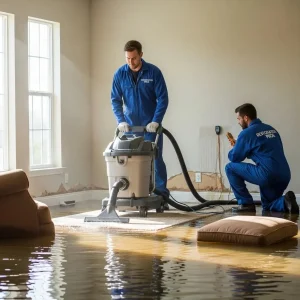
Water extraction uses purpose-built devices to remove standing and trapped water quickly and safely, and the choice of equipment depends on water depth and contamination level. Professionals typically deploy high-volume pumps for deep standing water, submersible pumps for confined areas, and industrial wet vacuums and extraction wands for saturated carpets and floor coverings. Extraction is combined with containment measures to prevent cross-contamination and with safety checks to manage electrical risks and structural instability. Effective extraction reduces moisture load for drying equipment and shortens the overall restoration timeline.
Technicians document extraction volumes and locations as part of the assessment, which helps transition into the structural drying phase that relies on continuous moisture monitoring and targeted airflow.
Why Is Structural Drying Essential After Flood Damage?
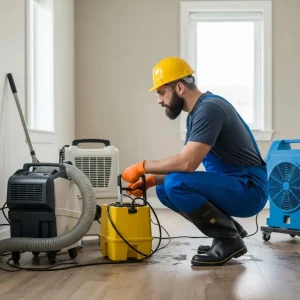
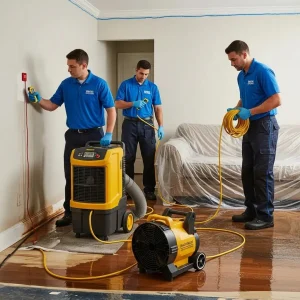
Structural drying removes residual moisture within building materials and assemblies, and it is essential because visible dryness does not equal structural dryness; moisture can remain hidden within timber, plaster and subfloors. Drying relies on a combination of air movers to increase evaporation, dehumidifiers to remove moisture from the air, and continuous monitoring with moisture meters and thermal imaging to verify decreasing moisture gradients. Without complete drying, occupants face increased mould risk, accelerated material decay and potential structural problems that may only appear months later. Prioritising validated structural dryness prevents repeated interventions and supports a durable restoration outcome.
Measuring and documenting dryness criteria ties into verification for insurance and final sign-off, which leads into the next section on mould management after flooding.
How Does Flood Squad Handle Mould Removal After Flooding?
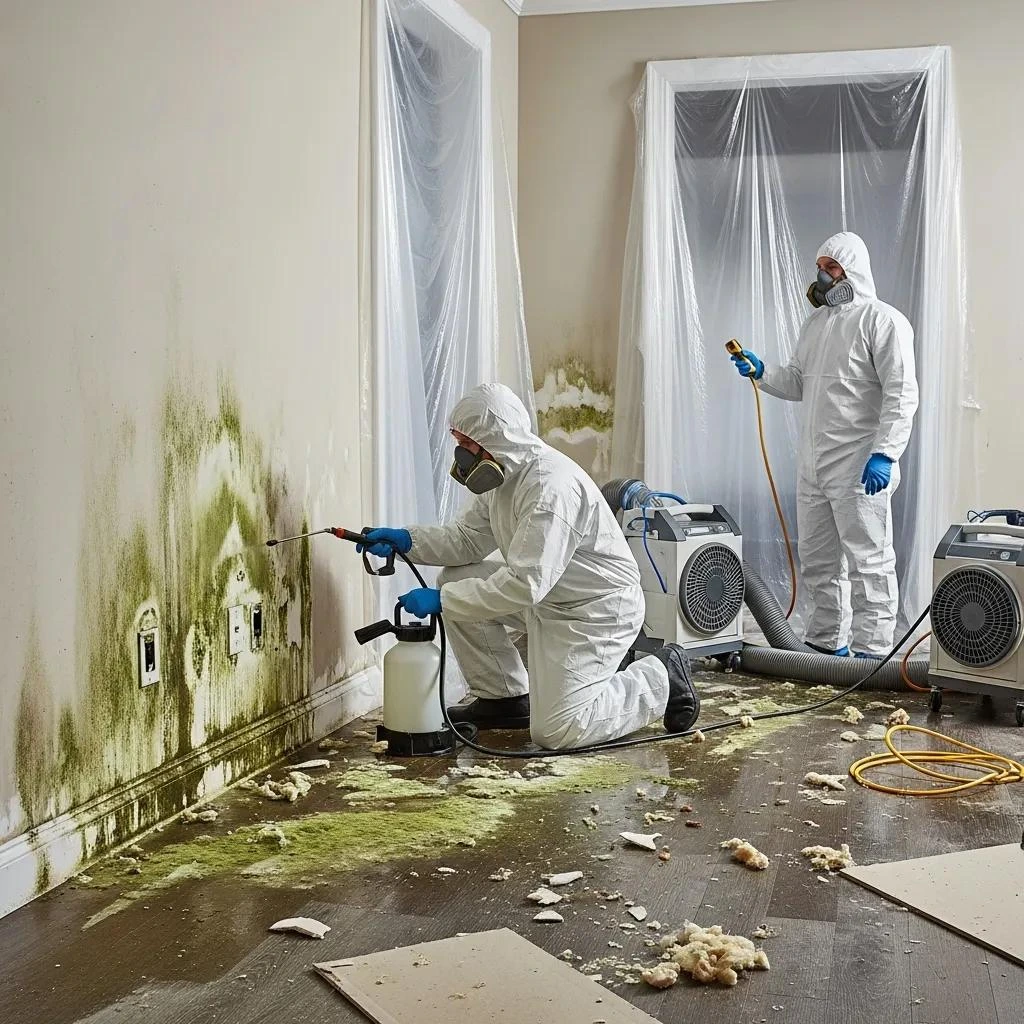
Mould remediation begins with a targeted inspection to identify contaminated areas, assess exposure risk and determine containment and removal strategies that protect occupants and unaffected spaces. Flood Squad’s documented service scope includes mould remediation as part of its emergency restoration offering, combining inspection, containment, HEPA filtration and anti-microbial treatments where appropriate. Professionals prioritise containment to limit spore migration, apply removal methods for affected materials, and use post-remediation verification such as visual checks and moisture readings to confirm safe conditions. This integrated approach reduces health risk and prevents recurrence when paired with proper drying and follow-up humidity control.
For property owners concerned about mould after flooding, arranging an inspection with a local emergency restoration provider is essential; Flood Squad offers assessment and remediation services in Sydney and can be contacted via 04818 FLOOD to schedule an immediate inspection. Prompt assessment ensures that mould issues are addressed early and supports documentation for any concurrent insurance claims.
What Are the Health Risks of Mould and How Is It Remediated?
Mould exposure can trigger respiratory irritation, allergic reactions and exacerbate conditions such as asthma, especially in sensitive individuals or in buildings with persistent dampness. Professional remediation reduces these risks by removing contaminated materials, reducing airborne spore counts through HEPA filtration and applying approved anti-microbial treatments to affected surfaces. Remediation also includes securing the area to protect occupants and monitoring moisture to prevent re-colonisation. While brief exposures can be manageable, removing persistent mould sources and restoring dryness is the primary way to reduce long-term health impacts.
Understanding these health implications motivates rapid remediation after flooding, which in turn requires specific techniques that ensure a safe indoor environment.
Which Mould Remediation Techniques Ensure a Safe Environment?
Effective mould remediation uses a layered strategy: containment to isolate the work area, negative pressure and HEPA filtration to control airborne spores, mechanical removal or careful disposal of contaminated porous materials, and targeted anti-microbial treatments for non-porous surfaces. Verification is equally important; technicians rely on moisture measurements and visual confirmation to ensure that treated areas have returned to safe conditions. Post-remediation advice focuses on controlling humidity and repairing sources of water ingress to prevent recurrence. These techniques collectively safeguard indoor air quality and reduce the likelihood of future infestations when applied within a broader drying and repair programme.
These methods connect directly to the types of incidents restoration teams treat and the property categories that benefit from professional services.
What Types of Flood and Water Damage Does Flood Squad Restore?
Restoration providers handle a wide spectrum of water incidents, from localised burst-pipe leaks to large-scale storm inundation, each requiring tailored containment and remediation approaches. Common causes include burst pipes, stormwater penetration, sewer backups and appliance failures; the category and contamination level of the water influence safety protocols, equipment choice and disposal procedures. Flood Squad’s service remit includes water extraction, drying, mould remediation and related cleaning and sanitisation tasks applicable across these incident types in Sydney properties. Recognising the cause and water category at the assessment stage informs decisions about containment, personal protective equipment and whether materials must be removed versus decontaminated.
Property owners benefit from knowing how different scenarios change the response: burst pipes typically allow quicker containment, while storm or sewage events often require elevated safety measures and different remediation workflows.
How Are Burst Pipes and Storm Damage Addressed in Restoration?
Burst pipes are commonly managed by isolating the water source, performing rapid extraction, and drying affected structures while coordinating with plumbing trades for repairs, whereas storm damage may need broader containment, debris removal and evaluation of structural ingress points. For burst pipes, quick shut-off and targeted drying limit insulation and framing damage, reducing repair scope. Storm-related flooding often involves higher contamination risk and longer drying periods, so technicians prioritise safety and may remove saturated materials that cannot be safely dried. Both scenarios require documentation and moisture verification to ensure restoration is complete before rebuilding.
Coordinating with plumbers and builders is essential in complex cases, and a clear remediation plan smooths the handover between emergency restoration and repair trades.
What Residential and Commercial Properties Benefit from Our Services?
Residential properties such as houses, apartments and strata units require fast response to protect personal belongings and living spaces, while commercial properties
— retail, offices, warehouses and industrial sites
— need scale-aware strategies that maintain business continuity. Restoration plans for homes often focus on rapid containment, personal-item salvage and restoring habitability, whereas commercial responses add logistics for larger equipment, phased repairs to keep parts of a facility operational, and coordination with facility managers. Industrial sites may demand specialised containment and waste handling due to process-related contaminants. Tailoring response by property type ensures efficient resource allocation and faster recovery to functional use.
Understanding these distinctions helps owners and managers plan for different operational priorities and potential downtime during remediation.
How Can You Prepare for and Prevent Flood Damage Emergencies?
Preparing for flood events reduces response time and limits damage; effective preparation includes an emergency plan, knowledge of shut-off points, an emergency kit and early-detection technologies. Practical steps such as documenting valuables, backing up important documents, and storing critical items above likely flood levels reduce loss. Preventive maintenance
— clearing gutters, maintaining drains and checking seals around doors and windows
— also reduces the probability of water ingress during storms. Combining physical preparedness with early-warning sensors provides both immediate and preventive protection for Sydney households and businesses.
Below is a concise checklist of high-priority preparedness actions to scan and implement quickly.
- Identify shut-off points: Know where to isolate electricity, gas and main water to reduce hazard during flooding.
- Create an emergency contact list: Include local restoration responders, insurer details and key trades.
- Protect documents and valuables: Store digital backups and move important papers to higher, dry storage.
- Assemble a grab-and-go kit: Include torches, a battery radio, water, basic tools and protective gloves.
What Are Essential Emergency Flood Preparedness Tips for Sydney Residents?
Sydney residents should prioritise life-safety measures, knowledge of utility shut-offs and a plan for evacuation or sheltering if flooding threatens a property. Keep a list of emergency numbers and floor plans showing electrical and water cut-offs, and ensure mobile devices and backups are charged before storms. Protect important documents in waterproof containers or digitally, and secure or elevate furniture and valuables when severe weather is forecast. These pragmatic preparations reduce chaos during an incident and support faster recovery once professionals arrive.
Simple, rehearsed plans improve both safety and the efficiency of later restoration work by reducing unknowns and clarifying priority areas for technicians.
How Does Smart Moisture Detection Help Prevent Extensive Damage?
Smart moisture detection systems combine sensors, networked alerts and sometimes automated shutoffs to provide early warning of leaks or rising moisture levels before they become major events. Placed at high-risk points
— under sinks, behind appliances, in basements and near sump pumps
— sensors trigger rapid notifications so occupants or service teams can intervene quickly. Integration with monitoring platforms allows continuous oversight for unoccupied properties, and pairing sensors with routine inspections reduces the time water remains unnoticed. Early detection reduces drying requirements, limits mould development and lowers repair costs by catching issues while they are small.
Installing sensors and acting on their alerts complements regular maintenance and helps property owners move from reactive to proactive flood risk management.
What Should You Know About Flood Damage Restoration Costs and Insurance?
Restoration cost is determined by multiple drivers: the size of the affected area, the category of water (clean, grey, black), the extent of structural involvement, drying duration and any necessary replacement of materials or mould remediation. Professional assessment produces an itemised scope that informs estimates and insurer discussions, and thorough documentation (photos, moisture readings, remediation logs) strengthens claims. Flood Squad notes that assisting customers with assessment and documentation is part of their service offering, which can help streamline insurer communication and evidence submission. Understanding these drivers helps property owners anticipate factors that change the final cost and what documentation will be needed for claims.
The short list below outlines the main cost drivers to keep in mind when reviewing estimates and working with insurers.
- Area size and affected materials: Larger areas and porous materials multiply drying and replacement needs.
- Water contamination level: Sewage or stormwater events require heightened containment and disposal procedures.
- Structural complexity: Multi-layer assemblies and inaccessible cavities increase labour and monitoring time.
- Mould remediation needs: Extensive mould increases scope through removal and specialised cleaning.
- Access and logistics: Difficult-to-reach sites may require additional equipment and time.
These cost factors clarify why quotes vary and why accurate assessment is essential before repairs begin, which transitions into a practical EAV table that summarises cost attributes and when they apply.
How Is the Cost of Flood Damage Restoration Determined?
Cost determination begins with an on-site inspection that quantifies affected areas, identifies water categories and measures moisture to estimate drying timelines and material replacement needs. Professionals then produce a scope of work listing extraction, drying equipment hours, demolition or material removal, sanitisation and final repairs; each line item reflects labour, equipment time and materials. Contamination from black water or complex structural repairs increases safety measures and replacement demands, affecting the total. Clear estimates and documented moisture data help owners and insurers reach agreement on scope and acceptable restoration outcomes.
Detailed scopes reduce surprises later in the process and support transparent insurer evaluations, which makes coordinated documentation essential.
Can Flood Squad Assist with Navigating Insurance Claims?
Flood Squad offers assessment and documentation support to assist customers in preparing insurance claims, providing photographs, moisture readings and scoped reports generated during emergency response and drying monitoring. This evidence assists policyholders and insurers to agree on remediation scope and to validate the work completed, reducing disputes over necessity and cost. While Flood Squad can supply detailed reports and on-site findings, policy coverage and claim outcomes depend on the insurer and the policy terms; technicians can, however, supply the technical data insurers require. Contacting an emergency restoration provider as soon as possible also preserves evidence and helps align remediation with insurer expectations.
Assembling accurate documentation early supports smoother claim progression and ensures remediation aligns with insurer-approved scopes and safety standards.