Flood damage insurance claims cover the financial loss incurred when water inundation harms your property, contents, or business operations. Understanding how the flood damage insurance claims process works in Sydney is essential to secure a fair settlement and restore your premises efficiently. This guide explains what standard Australian flood insurance covers, urgent steps to take after water ingress, how the claims assessment unfolds, common denial reasons and appeals, and the role of professional restoration in maximising your claim. We also explore proactive resilience measures and answer key questions to equip individuals and businesses with actionable insights.
What Does Flood Insurance Cover in Sydney, Australia?
Flood insurance in Australia typically includes buildings cover for structural damage and contents cover for personal belongings or business stock. Buildings cover repairs or rebuilding of walls, floors, and services following water ingress, while contents cover reimburses loss or damage to furniture, electronics, and inventory. Some policies extend to business interruption, compensating lost revenue during repair works.
Before exploring exclusions, it helps to see core coverage attributes:
| Cover Type | Scope | Typical Benefit |
| Buildings | Walls, roofs, plumbing, electrics | Repair or rebuild cost |
| Contents | Furniture, appliances, stock | Replacement value or indemnity |
| Business Interruption | Lost revenue and additional expenses | Daily compensation rate |
What Types of Flood Damage Are Covered by Australian Insurance Policies?
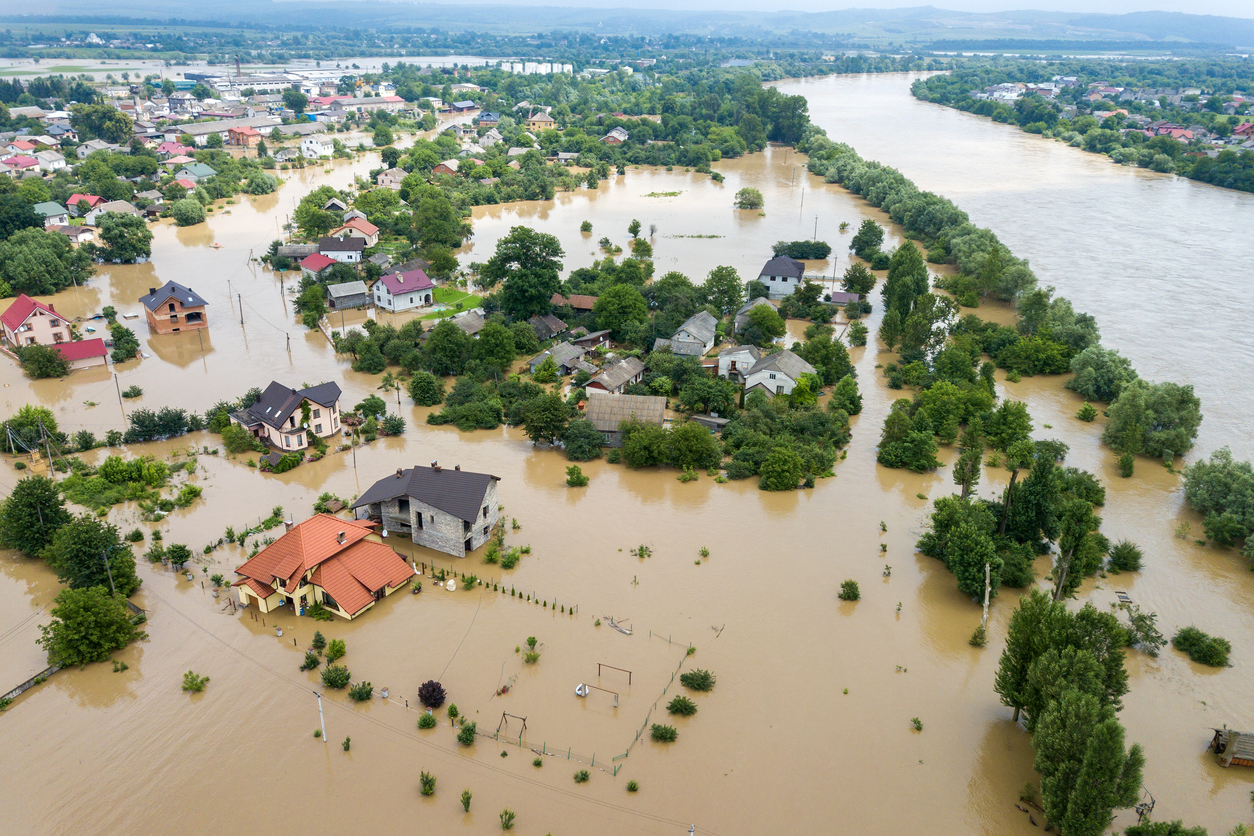
Flood damage from natural sources, river overflow, surface water run-off, and groundwater ingress, is usually covered under standard flood insurance in Australia. Policies often distinguish between direct structural harm (collapsed walls, soaked plaster) and consequential effects (mould growth, warped flooring). Business interruption cover can kick in when operations cease due to waterlogged premises. Typical covered damage types include:
- River Flooding – Damage from rivers breaching banks.
- Surface Water – Run-off pooling on land and entering buildings.
- Groundwater – Rising subsurface water seeping through foundations.
These categories guide insurers’ assessments, so precise identification of damage origin strengthens your claim.
What Are Common Flood Insurance Policy Exclusions in Australia?
Despite broad flood cover, policies in Australia often exclude:
- Maintenance Failures – Damage due to poor upkeep, such as blocked drains.
- Gradual Ingress – Slow leaks or damp issues not linked to a flood event.
- Subaqueous Surface Water – Flooding from internal plumbing bursts unless specified.
- Wear and Tear – Pre-existing structural weaknesses.
Excluding these scenarios, insurers may deny claims if they deem damage preventable or unrelated to the flood event. Understanding exclusions helps policyholders gather evidence that their loss falls within covered circumstances.
What Are the Immediate Steps to Take After Flood Damage for Your Insurance Claim?
Time-critical actions after water inundation can determine claim success. First, ensure safety by isolating electrics and wearing protective gear. Next, document all visible damage before any repairs. Finally, notify your insurer promptly to initiate the claim and avoid late-reporting exclusions.
- Switch off mains supplies and secure the scene to prevent injury.
- Photograph and video every affected area, capturing water lines, debris, and damaged items.
- Contact your insurer’s 24-hour claims line to log the event and receive guidance on emergency measures.
Taking these steps lays a solid groundwork for adjuster inspections and clarifies the extent of flood damage requiring restoration.
How Should You Document Flood Damage for a Strong Insurance Claim?
Thorough evidence collection is vital to substantiate a flood damage insurance claim. Record damage via:
- Time-stamped photographs and HD video walkthroughs.
- Detailed inventory listing each damaged item, its condition, and purchase proof.
- Receipts or valuations for high-value assets.
- Witness statements or neighbour corroboration if available.
Presenting organized documentation reduces disputes over claim value and guides insurers in determining accurate settlement amounts.
When and How Should You Notify Your Insurer About Flood Damage?
Notify your insurer as soon as it is safe after flooding, ideally within 24 hours. Use your policy’s emergency claims contact and reference your policy number. Provide:
- Date, time, and location of the flood event.
- Initial damage summary with photographic attachments.
- Details of any emergency repairs undertaken.
Early notification prevents penalties for late reporting and ensures a loss adjuster can be appointed without delay.
What Emergency Repairs Can You Make Without Affecting Your Claim?
Carrying out temporary measures to limit further damage is usually permissible under Australian flood policies, provided you keep receipts and avoid permanent alterations. Acceptable emergency repairs include:
- Boarding up broken windows or doors.
- Pumping out standing water using rented equipment.
- Placing protective sheeting over exposed interiors.
- Clearing blocked drains to restore drainage.
Document all actions and expenses so insurers can include these costs in your final settlement.
How Does the Flood Damage Insurance Claim Process Work in Sydney, Australia?
The Sydney flood damage insurance claims process typically follows a sequence of reporting, assessment, negotiation, and settlement. Once notified, your insurer appoints a loss adjuster to evaluate damage, calculate repair costs, and recommend a settlement. Policy limits and excesses then shape the final payout.
| Process Stage | Responsible Entity | Key Deliverable |
| Claim Notification | Policyholder | Initial claim reference |
| Damage Assessment | Loss Adjuster | Damage report and valuation |
| Claim Representation | Loss Assessor (optional) | Maximised claim appraisal |
| Settlement Agreement | Insurer & Policyholder | Payout amount and terms |
What Is the Role of a Loss Adjuster in Your Flood Insurance Claim?
A loss adjuster is appointed by your insurer to investigate the flood event, assess structural and contents damage, and produce an independent valuation report. Their responsibilities include:
- Inspecting premises to verify claim validity.
- Quantifying repair or replacement costs.
- Advising the insurer on liability and settlement terms.
Because the adjuster represents the insurer’s interests, policyholders may engage a loss assessor to ensure fair representation.
How Can a Loss Assessor Help Maximise Your Flood Damage Claim?
A loss assessor acts on your behalf to negotiate with insurers, challenge undervaluations, and secure all eligible costs. Key benefits include:
- Independent expertise in interpreting policy wording.
- Detailed reconstruction of repair costs, often exceeding initial adjuster figures.
- Advocacy during disputes or complex claim stages.
Leveraging a loss assessor’s services often increases settlement values, offsetting their fees through higher claim outcomes.
What Are Policy Limits, Excesses, and How Do They Affect Your Settlement?
Policy limits define the maximum payout for buildings, contents, or interruption cover, while the excess is the amount you contribute before insurer payment. These financial parameters influence settlement as follows:
- Higher limits ensure comprehensive coverage but may raise premiums.
- A fixed excess reduces small-value claims but can increase out-of-pocket costs after flooding.
- Understanding both helps policyholders tailor coverage to risk profiles and budget constraints.
Balancing limits and excesses is key to managing premium costs without jeopardising adequate flood protection.
What Are Common Reasons for Denied Flood Insurance Claims in Sydney, Australia?
Insurers may deny flood claims if they detect non-compliance with policy terms, late reporting, or damage outside covered events. Common denial reasons include:
- Failure to maintain drainage or structural integrity.
- Delayed claim notification beyond policy deadlines.
- Damage attributed to gradual wear or internal leaks.
- Incomplete or inconsistent documentation.
Recognising these pitfalls enables policyholders to prevent denials and gather robust evidence.
Why Are Flood Insurance Claims Denied?
Flood insurance claims can be denied when damage stems from excluded causes, such as poor maintenance, or when policyholders miss reporting deadlines. Other denial triggers include:
- Use of unlicensed contractors for emergency repairs.
- Discrepancies between claimed losses and adjuster findings.
- Lack of proof for business interruption losses.
Proper preparation and timely communication significantly reduce the risk of denial.
How Can You Appeal a Denied Flood Insurance Claim?
If your claim is refused, you can lodge a formal appeal with your insurer and, if unresolved, escalate to the Australian Financial Complaints Authority (AFCA). Steps include:
- Reviewing your policy wording and denial rationale.
- Submitting supplementary evidence or expert reports.
- Engaging a loss assessor to re-evaluate damage and negotiate reconsideration.
- Filing a complaint with the AFCA after exhausting insurer procedures.
A structured appeal process often overturns unjust denials and secures appropriate compensation.
When Should You Seek Legal Assistance for Flood Claim Disputes?
Legal advice becomes appropriate when appeals fail or if large settlements are at stake. Seek a solicitor when:
- Disputes involve complex policy interpretation.
- Insurers persistently undervalue legitimate losses.
- Irreparable deadlines loom without progress on your appeal.
Early legal consultation clarifies options and may expedite favourable resolutions.
How Does Professional Flood Damage Restoration Support Your Insurance Claim?
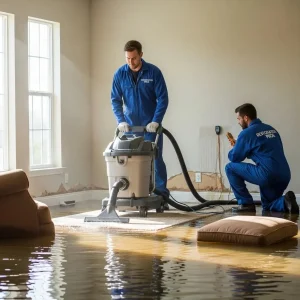
Engaging certified restoration specialists ensures your property is returned to pre-loss condition and provides authoritative documentation insurers require. Flood Squad’s end-to-end flood damage restoration service integrates directly with insurers, offering:
- 24/7 emergency response to limit secondary damage.
- Advanced drying, structural drying, mould remediation, and sewage clean-up.
- Certified technicians who generate detailed restoration reports.
- Direct billing arrangements to streamline insurer payments.
Professional restoration not only accelerates remediation but bolsters your claim by demonstrating comprehensive, insurer-approved procedures.
What Is the Flood Damage Restoration Process After a Claim?
- Water Extraction – High-capacity pumps to remove standing water.
- Drying and Dehumidification – Industrial dehumidifiers to eliminate residual moisture.
- Mould Remediation – Safe removal of microbial growth.
- Structural Repairs – Replacing damaged plaster, flooring, and fixtures.
Each phase is documented in detailed scope-of-works reports that insurers rely on to validate claim costs.
How Does Flood Squad Work Directly with Insurers and Policyholders?
Flood Squad liaises with insurers from first notification through final invoicing. Our certified technicians produce scope-of-works documentation compliant with adjuster requirements, and direct insurance billing reduces administrative delays and out-of-pocket expenses for policyholders. This integrated approach ensures restoration activities align with insurance protocols and maximise claim efficiency.
Why Is Professional Documentation Important for Your Insurance Settlement?
Insurers depend on precise reports to quantify losses accurately. Professional documentation:
- Details every remedial step and associated cost.
- Confirms compliance with industry standards.
- Minimises disputes over scope or pricing.
Comprehensive restoration records give insurers confidence in the claim’s legitimacy and help secure full settlement for repair works.
How Can You Prevent Future Flood Damage and Reduce Insurance Risks?
Implementing resilience measures not only protects property but can lower premiums and excesses over time. Physical protections, regular maintenance, and adaptive upgrades reduce flood impact and demonstrate risk mitigation to insurers.
- Flood Barriers and Floodgates – Prevent water ingress at vulnerable openings.
- Sump Pumps and Drainage Upgrades – Accelerate removal of surface water.
- Elevated Electrical and HVAC Systems – Position critical equipment above potential water lines.
- Routine Gutter and Drain Inspection – Maintain clear water pathways away from foundations.
These proactive steps strengthen property defenses and may qualify you for premium discounts under certain insurers’ risk-based pricing models.
What Flood Resilience Measures Can Protect Your Property?
Resilience strategies include installing permanent flood barriers, using water-resistant building materials, and retrofitting air bricks with covers. Combining structural and non-structural measures delivers layered protection against varying flood scenarios.
How Do Flood Prevention Efforts Impact Your Insurance Premiums and Claims?
Insurers often recognise risk-reduction investments by offering lower premiums or reduced excesses. Documented mitigation efforts, such as flood barrier installations, can translate into favourable underwriting terms and smoother claim approvals.
What Temporary Accommodation Options Are Available During Flood Repairs?
While repairs proceed, policyholders may claim costs for alternative accommodation under household or commercial interruption cover. Options include:
- Short-term rental properties.
- Serviced apartments.
- Business relocation expenses for commercial tenants.
Securing comfortable, compliant accommodation minimises disruption and maintains operational continuity during restoration.
What Are the Most Frequently Asked Questions About Flood Damage Insurance Claims in Sydney, Australia?
What Do I Do Immediately After a Flood for Insurance?
Immediately after a flood, prioritise personal safety, then document all damage with time-stamped photos and videos. Create an inventory of affected items, retain receipts for emergency measures, and contact your insurer without delay to log the claim.
How Long Does a Flood Insurance Claim Take to Settle?
Settlement times vary but typically range from two to eight weeks following adjuster inspection. Complex business interruption claims may extend the timeline while loss assessors negotiate detailed valuations.
Should I Use a Loss Adjuster or a Loss Assessor for My Flood Claim?
A loss adjuster assesses damage on behalf of the insurer, while a loss assessor represents your interests. Engaging a loss assessor can enhance your claim value and ensure comprehensive recovery of all eligible costs.
Can Flood Insurance Claims Be Denied and How Do I Avoid This?
Yes, claims can be denied for late reporting, maintenance lapses, or excluded damage types. To avoid denial, follow policy terms closely, document damage thoroughly, and notify your insurer promptly.
Flood Squad’s comprehensive approach to flood damage restoration and insurance collaboration gives policyholders and businesses confidence through every stage of the claim. By understanding coverage details, acting swiftly, engaging professionals, and investing in resilience, you protect your property and secure rightful compensation. For expert assistance, visit Flood Squad and discover how certified technicians can support your flood damage insurance claim.