Flood damage can leave a lasting mark on a property’s market value by combining physical deterioration with altered buyer confidence, insurance and lending hurdles, and ongoing maintenance costs. This article explains what “long-term impact” means for homeowners and landlords, why it matters to resale prospects and mortgageability, and how mitigation and documentation restore value. You will learn practical assessment steps, common long-term effects such as mould and structural weakening, the role of flood insurance and lender attitudes in valuation, and how to present verified repairs to buyers. The guide covers mechanisms of price change, Australian-specific considerations (including local flood maps and regional variance in Sydney and NSW), priority repairs and certification, and the paperwork buyers and surveyors want to see. Throughout, the emphasis is on actionable steps sellers and buyers can take to limit value loss and speed a sale while explaining how professional restoration and clear evidence influence outcomes.
How Does Flood Damage Affect Property Value Over Time?
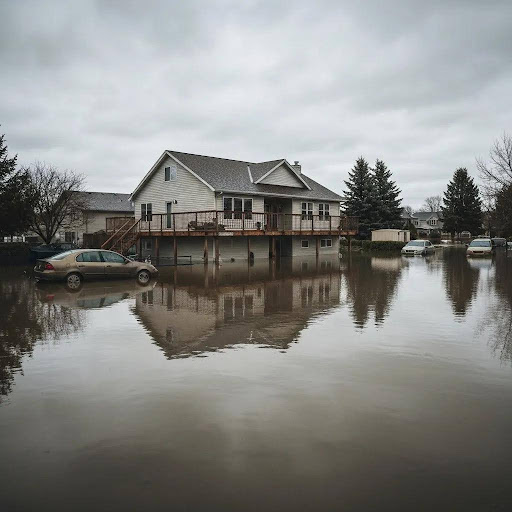
Flood damage reduces property value through immediate physical loss and through ongoing deterioration that affects habitability and mortgageability. In the short term, finishes and services (flooring, plaster, electrics) are impaired; over months and years, persistent moisture drives mould, timber decay and hidden structural decline that surveyors detect during inspections. Buyers respond to both visible damage and flood history, often lengthening time on market and lowering offers; lenders may require additional reports or refuse mortgages without evidence of remediation. Understanding these mechanisms helps prioritise repairs and documentation to restore market confidence and reduce discounting.
What Are the Common Long-Term Effects of Flood Damage on Homes?

Long-term effects typically begin with persistent damp that encourages mould growth, which damages finishes and creates health concerns for occupants. Moisture retained in insulation and subfloor voids accelerates timber rot and can cause gradual weakening of joists and studwork, which may not be obvious until a detailed survey uncovers it. Electrical and heating systems exposed to floodwater can corrode or short, necessitating rewiring or component replacement to meet safety and mortgage requirements. Recognising these progressive issues early and commissioning moisture mapping and mould remediation limits long-term repair bills and reduces negative survey remarks.
How Does Structural Damage Influence Property Market Value?
Structural damage affects value primarily because it threatens the property’s safety and future maintenance costs, and because lenders and buyers treat unresolved structural issues as a major risk. Foundations, load-bearing walls and floor levelling problems can trigger engineer reports, which often lead to price reductions or conditions on offers until work is completed. Properly documented structural repairs, including engineer certificates and photos, restore confidence and typically recover a large portion of lost value when combined with visible cosmetic refurbishment. Surveyors therefore act as a value gatekeeper: their written assessments link directly to offer levels and borrowing terms.
What Is the Impact of Flood History on House Prices in Australia (Sydney)?
A documented flood history commonly reduces asking price and increases time on market, but the scale of impact varies by local market strength and frequency of flooding. In high-demand areas, buyer tolerance for flood history is higher if robust repairs and defences are present; in weaker markets the same history can lead to steep discounts. Sellers should consult local council flood risk maps and NSW government flood data and recent sales of comparable properties to understand likely price adjustments and to shape repair and disclosure strategies. Using independent data and transparent documentation helps reframe flood history as a managed risk rather than an unresolved liability.
How Do Buyers Perceive Properties with a Flood History?
Buyers tend to worry about hidden damage, ongoing maintenance costs and future insurance availability when they learn of a property’s flood history. Clear evidence of professional repairs, transferable warranties and a record of stable insurance cover helps reduce perceived risk and reassures buyers about future costs. Agents who present documented remediation and local resilience measures can change the narrative from “at risk” to “managed and certified,” which improves the pool of willing buyers. Effective communication therefore converts sceptical first impressions into constructive viewings and offers.
What Are the Regional Variations in Flood Damage Impact on Prices?
Flood impact on prices varies by region according to local flood frequency, the presence of defences and the strength of housing demand; coastal and riverine communities with frequent incidents face greater discounts than low-risk inland locations. Strong local markets and visible, well-maintained defences reduce the negative effect, while isolated inland floods can still cause significant value loss if remediation is incomplete. Sellers should compare recent sales within the same flood zone and consult local council flood maps and NSW government flood information to assess how regional factors will influence pricing decisions. Using local data contextualises the risk and supports realistic pricing.
How Does Flood Insurance Affect Your Property’s Market Value?
Partly, having flood insurance helps by reducing perceived ongoing cost and by showing buyers that the property remains insurable, yet insurance does not eliminate all valuation issues. A comprehensive, long-standing policy with clear claims history reassures buyers and lenders, but exclusions, rising premiums and non-transferable arrangements limit the value uplift that insurance alone can provide. Properties that are uninsured, have repeated claims or face increasing premiums often attract lower offers or stricter lending conditions. Sellers should therefore combine insurance evidence with structural repairs and certification to maximise market value.
Intro to the table: The following table compares common types of cover and what they mean for buyers and valuers.
| Cover Type | Characteristic | Typical Impact on Buyer Confidence |
| Standard home insurance with flood endorsement | Basic cover for contents and some repairs | Moderate reassurance if continuous and claim-free |
| Specialist flood cover | Broader structural repair cover, higher cost | Higher buyer confidence if transferable and documented |
| No cover or lapsed policies | No formal protection | Significant deterrent; lenders may require remediation |
This comparison shows that documented, transferable cover improves buyer confidence more than short-term or incomplete policies.
Can Having Flood Insurance Increase Resale Value?
Insurance can increase resale prospects when the policy is demonstrably comprehensive, longstanding and, ideally, transferable to the new owner; this reduces the perceived future cost of ownership. Buyers value evidence that premiums have been affordable and that past claims were resolved without remaining defects, because such evidence reduces the chance of surprise expenses. However, insurance does not replace the need for proper structural or damp repairs, and lenders will still expect safety and mortgageability standards to be met. Sellers therefore use insurance documentation alongside physical certification to strengthen offers.
What Are the Limitations of Flood Insurance in Property Valuation?
Policies often contain exclusions, high excesses or clauses that limit cover for certain types of damage, which reduces their value as a resale reassurance. Rising premiums or non-renewal notices indicate future cost risk to buyers and can depress offers, while single-year policies or short history provide limited comfort. Insurers may also require mitigation measures before offering long-term cover; evidence of those measures becomes more influential than the policy itself. Presenting full policy documents and insurer correspondence mitigates concerns by letting buyers and surveyors assess real risk rather than assume the worst.
How Can You Assess and Mitigate the Long-Term Market Impact of Flood Damage?
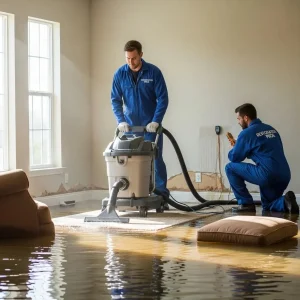
Start with a structured assessment that combines a condition survey, moisture mapping and, where indicated, a structural engineer’s report; these steps define the scope of required remediation. Mitigation then proceeds by priority: stabilise structure, replace or certify services (electrics, boilers), and remediate damp and mould using certified contractors; higher-value cosmetic work follows to restore market appeal. Documentation at each stage, invoices, guarantees, certificates, is crucial to reassure buyers and lenders and to demonstrate mortgageability. For practical remediation and evidence provision, emergency water damage restoration specialists with certified remediation workflows can be a valuable resource to learn from and to commission, ensuring repairs meet survey and lender expectations.
Intro to checklist: Practical steps sellers and owners should follow to assess and mitigate value loss.
- Commission a full property survey: Obtain a chartered surveyor or structural engineer report where structural concerns exist.
- Perform moisture mapping and specialist testing: Identify trapped moisture and mould hotspots that need targeted remediation.
- Obtain detailed repair invoices and guarantees: Ensure contractors provide warranties and photographs documenting the work.
- Install mitigation measures if needed: Fit flood-resistant materials, raised sockets and sump pumps where appropriate.
Summary paragraph: Following a clear assessment → remediation → documentation pathway reduces long-term market impact and shortens time on market by turning uncertainty into verifiable reassurance.
What Repairs and Renovations Improve Flood-Damaged Property Value?
Priority repairs restore structural soundness first, then services, then finishes; this order both meets lender requirements and offers the best return on remedial investment. Structural stabilisation, replacement of water-damaged insulation and floor systems, and safe rewiring are investments that directly restore mortgageability and remove buyer objections. Subsequent use of water-resistant finishes, replaced flooring and renewed decoration improves curb appeal and helps recover market value. Where appropriate, modest flood-proofing upgrades such as raised electrical outlets and resilient underfloor installations offer an additional selling point that supports price recovery.
How Does Flood Risk Disclosure Affect Property Sales?
In Australia, particularly in NSW, sellers must disclose material facts about a property that could influence a buyer’s decision, which includes recent flood events and known damage. Transparent disclosure, supported by clear remediation records and independent reports, reduces the likelihood of later disputes and can preserve sale value by establishing trust early in negotiations. Non-disclosure risks legal challenge and post-sale claims, which typically harm sellers far more than upfront transparency; agents should therefore advise on timing and presentation of information. Framing disclosure with proof of repairs and warranties helps neutralise buyer concerns while meeting legal obligations.
| Mitigation Action | Typical Time to Complete | Likely Effect on Resale Value |
| Structural repairs with engineer sign-off | 2–12 weeks | High — restores mortgageability |
| Services replacement (electrics/boiler) | 1–6 weeks | High — required for safe occupation |
| Mould remediation and damp control | 1–4 weeks | Medium — improves habitability and inspections |
| Flood-resistant upgrades | 1–3 weeks | Low–Medium — improves buyer perception |
What Are the Key Factors Influencing Resale Value After Flood Damage in Australia (Sydney)?
Several variables combine to determine the resale outcome: location and flood defences, property age and construction, completeness of repairs and quality of documentation, and local market and lender appetite. Location and visible defences influence perceived future risk; older or timber-framed properties often require specialist remediation that raises costs, while modern brick or concrete buildings may be easier to restore. Lender and insurer attitudes are the final arbitrators of marketability: if a property is deemed uninsurable or un-mortgageable without work, offers will reflect that risk. Sellers should therefore align repairs with surveyor and lender expectations to maximise recovery.
How Do Flood Defences and Property Location Affect Market Value?
Properties behind substantial, maintained flood defences usually experience smaller long-term discounts than those in unprotected zones, because defences reduce both probability and perceived severity of future events. Proximity to rivers, coastlines and known flood plains increases perceived risk, while local community resilience and maintenance of defences mitigates it. Sellers ought to reference local council and NSW government flood zone information when preparing marketing materials to contextualise risk. Clear evidence of community defences or recent defence upgrades can materially improve buyer perception and support higher offers.
What Role Does Property Age and Construction Type Play?
Age and construction dictate vulnerability, repair complexity and insurance outcomes, older masonry with lime mortars or timber framing can hide damage and require specialist, often costlier work. Modern cavity wall constructions and concrete floors typically enable simpler remedial approaches and are easier to certify for lenders post-repair. Surveyors note construction type in valuation adjustments because repair timelines and uncertainty differ markedly by materials and methods. When advising sellers, emphasise how specific construction details were addressed in repairs and how specialist certificates overcome typical concerns.
| Factor | How it affects value | Practical example/measurement |
| Location & flood defences | Primary determinant of perceived future risk | Check flood zone and recent defence works |
| Construction type | Influences repair complexity and cost | Timber frame may need specialist drying and treatment |
| Repair quality & documentation | Directly affects lender/surveyor confidence | Engineer reports and guarantees reduce discounts |
| Insurance history | Signals future cost and insurability | Continuous, affordable cover reassures buyers |
This EAV-style summary clarifies seller priorities: location first, then construction and documentation.
How Can Flood Damage History Be Verified and Its Impact Minimised When Selling?
Verification relies on assembling a concise, verifiable package: surveyor and engineer reports, contractor invoices and guarantees, before/after photographs, and insurer correspondence documenting claims and cover history. Independent surveyors and certified restoration firms produce evidence that surveyors, lenders and buyers trust; this evidence shifts valuation discussions from speculation to fact. Presenting the documentation early in listings and providing direct access to warranties and certificates reduces negotiation friction and often preserves a higher sale price. For remediation, emergency water damage restoration specialists with accredited workflows offer readable reports and guarantees that buyers and surveyors can rely on.
Intro to documentation list: Essential documents sellers should gather and present.
- Engineer/structural reports: Signed assessments confirming integrity and listing any ongoing monitoring.
- Repair invoices and guarantees: Itemised work records and transferable warranties where available.
- Moisture and mould test results: Pre- and post-remediation evidence showing resolved issues.
- Insurance correspondence: Policy summaries and claims history that demonstrate insurability.
Summary paragraph: Presenting a compact, verifiable documentation pack converts flood history from a negotiation liability into a managed, evidenced item that buyers and lenders can evaluate confidently.
What Documentation Is Needed to Prove Flood Repairs and Insurance?
Buyers and surveyors look for independent confirmation that repairs were necessary and completed to an appropriate standard: engineer or chartered surveyor reports, contractor invoices with materials noted, and guarantees or insurance endorsements for the work. Photographic records showing damage before, during and after repairs are persuasive when combined with dated documents. Moisture readings and clearance certificates from accredited remediators show that hidden damp and mould issues have been resolved. Together, these documents provide a chain of evidence that supports a valuation closer to pre-flood levels.
How Can Sellers Effectively Communicate Flood History to Buyers?
Sellers should disclose flood history early, ideally in marketing materials and agent briefings, and accompany that disclosure with the documentation pack to prevent surprises and strengthen trust. Use neutral, factual language that focuses on the steps taken: assessment, remediation, certification and any transferable warranties; avoid defensive wording and instead emphasise verifiable outcomes. Agents can frame repairs as risk mitigation and highlight local defences, recent claims trends and successful similar sales to contextualise the property. Early, documented transparency typically reduces time on market and improves the quality of offers.
| Document Type | Why it matters | How to present |
| Engineer report | Confirms structural safety | Supply signed report with recommendations completed |
| Repair invoices & guarantees | Demonstrates work and warranty | Provide itemised invoices and transferable warranties |
| Test reports (moisture/mould) | Shows clearance of hidden issues | Include pre/post readings and remediation certificates |
- Gather independent reports and photos early: Buyers prefer seeing evidence before viewings.
- Frame disclosures as managed risk with certification: Present repairs as completed improvements, not lingering problems.
- Work with agents to highlight mitigation and local resilience: Agents who understand the documentation can market the property more effectively.